

PiCK
Corporate Earnings Highlight Tariff Impact Again…Global Markets Decline
Summary
- It was reported that global stocks are on a downward trend due to the tariff impact of the trade war.
- Ford Motor Company announced a profit decline due to tariffs, leading to a drop in its stock price.
- The Hong Kong Monetary Authority intervened in the foreign exchange market to prevent the collapse of the currency peg system.
Dollar Selling Expands from Taiwan to Hong Kong and Other Asian Currencies
"Tariff Impact to Intensify from June"
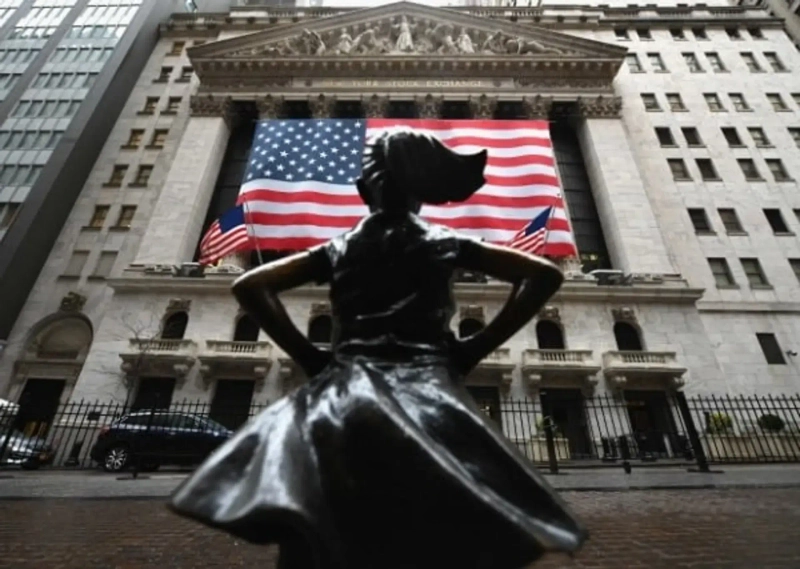
Global stocks fell as concerns about the destructive impact of the trade war grew following the earnings announcements of U.S. and European companies. Meanwhile, the dollar selling spread from Taiwan to Hong Kong and other regions, prompting the Hong Kong Monetary Authority to intervene in the foreign exchange market.
According to Bloomberg on the 6th (local time), the European stock market saw the Euro Stoxx 600 index halt its 10-day rally and fall by 0.5% after opening. This was due to companies like Royal Philips warning of uncertainties caused by tariffs.
In the U.S. market, S&P 500 futures fell by 0.7%, and Nasdaq 100 futures dropped by 0.9%. Dow Jones Industrial Average futures also declined by 0.5%.
Palantir Technologies, which has been on a rising streak among tech stocks this year, fell by over 8% in pre-market trading despite strong earnings. Ford Motor Company withdrew its earnings outlook for the year, announcing that tariffs would reduce its profits by about $2.5 billion this year, leading to a 2.3% drop.
Bloomberg noted that optimism about trade agreement progress is fading, and Ford's warning reminded us that the damage from the tariff war will become evident in the coming months.
Mohit Kumar, chief economist and strategist at Jefferies International, said, "The stock market has already priced in the short-term positive factors and is preparing for a recession." In a client note, Kumar stated, "The goal is to reduce U.S. investment exposure by taking advantage of the recent stock market rally." He mentioned, "By June, U.S. economic indicators will slow down, and the tariff impact will intensify."
Ahead of the Federal Open Market Committee (FOMC) of the Federal Reserve starting today, rate traders are reducing bets on a rate cut.
The Fed is expected to hold rates steady at this month's meeting. Financial markets anticipate the first rate cut by the Fed in July, with three rate cuts expected by the end of the year.
The dollar selling, initiated by Trump's unpredictable trade policies, is spreading to Asian currencies such as Taiwan, Hong Kong, and Malaysia.
Speculation arose that Taiwan, which has recorded a massive trade surplus for years, would allow currency appreciation to gain trade concessions from the U.S., as the Taiwan dollar hit an all-time high the day before.
Attention was focused on the Hong Kong dollar that day. The Hong Kong Monetary Authority, effectively Hong Kong's central bank, intervened in the market by purchasing $7.8 billion to prevent the collapse of the dollar peg system, which fixes the exchange rate of its currency to the dollar.
Charu Chanana, chief investment strategist at Saxo Bank in Singapore, said, "If Asian currencies continue to surge, concerns about a 'reverse Asian currency crisis' could arise." He noted, "If Asian financial companies re-evaluate U.S. Treasuries held without hedging, there could be ripple effects in the bond market."
The Hong Kong Monetary Authority announced that day that it is diversifying its portfolio's currency exposure for risk management. The Chinese yuan also strengthened to its highest level since November, at 7.2105 yuan per dollar.
The yen, euro, and Swiss franc rose. The euro rose 0.3% against the dollar to $1.1347, and the yen rose 0.5% to 142.95 yen per dollar.
In the commodities market, Brent crude futures rebounded to $61.55 per barrel, up 2.2%, from the previous day's lowest price in four years due to OPEC+'s decision to increase production.
Gold prices rose 1.2% to $3,375 per ounce, the highest in a week.
Guest reporter Kim Jung-ah kja@hankyung.com

Korea Economic Daily
hankyung@bloomingbit.ioThe Korea Economic Daily Global is a digital media where latest news on Korean companies, industries, and financial markets.