

"Due to tariffs... U.S. imports of Chinese clothing hit a 22-year low"
Summary
- It was reported that the amount of U.S. imports of Chinese clothing fell to a 22-year low in May.
- It was stated that U.S. retailers are diversifying their supply chains due to the impact of the Trump Administration's tariff policies.
- It was reported that major U.S. fashion companies plan to continue reducing their exposure to China.
Value of Chinese clothing imports in May at the lowest level since May 2003
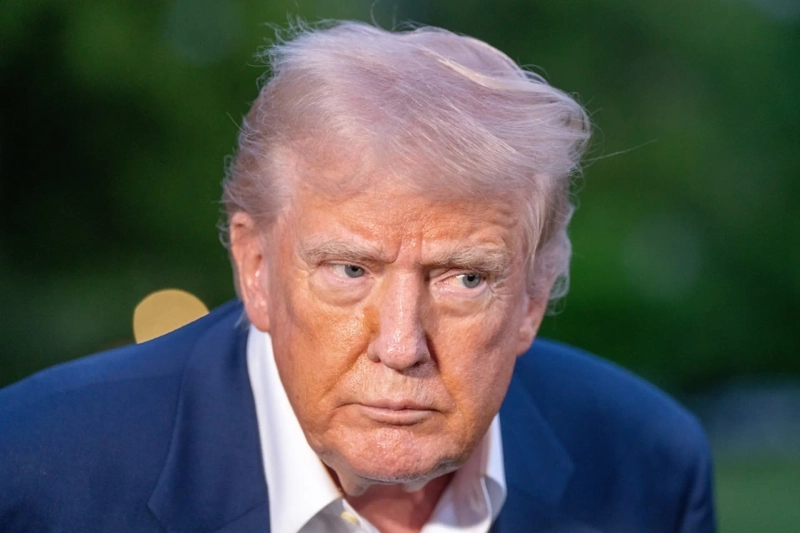
Due to the tariff policies of U.S. President Donald Trump, U.S. imports of Chinese clothing have dropped to the lowest level in 22 years.
On the 9th (local time), international media such as Reuters, citing United States International Trade Commission (USITC) data, reported that in May, U.S. imports of Chinese clothing amounted to $556 million (about ₩760 billion), marking the lowest monthly amount since May 2003.
Earlier this year, as concerns over tariff impositions by the Trump Administration grew, U.S. retailers quickly moved to secure inventory, leading to a surge of Chinese clothing imports in January to $1.69 billion (about ₩2.32 trillion), up 15% compared to the same period last year. However, imports showed a declining trend for four consecutive months from February onward.
Sheng Lu, Professor of Fashion and Apparel Studies at the University of Delaware, said the sharp drop in U.S. imports of Chinese clothing in May is "not a natural occurrence."
After assuming office, President Trump raised tariffs on China to as much as 145%, but on May 12, they agreed to a 90-day reprieve and lowered the tariffs to 30%. Professor Lu stated that despite recent trade agreements between the U.S. and China, most major U.S. fashion companies plan to further reduce their exposure to China.
Reuters explained that although China had been the largest exporter of clothing to the U.S. in recent years, China's market share in the U.S. apparel market has dropped as trade relations between the two countries have deteriorated. As a result, since mid-2023, U.S. apparel companies have been diversifying their supply chains to Southeast Asia and other regions.
Soo-rim Park, Hankyung.com journalist, paksr365@hankyung.com

Korea Economic Daily
hankyung@bloomingbit.ioThe Korea Economic Daily Global is a digital media where latest news on Korean companies, industries, and financial markets.