

"Switching from the US to Southeast Asia and the Middle East"... China posts record-high surplus in the first half
Summary
- China announced record-high exports of ₩2,500 trillion and a trade surplus of ₩810 trillion in the first half of 2024.
- With exports to the US declining, China pushed for export diversification—such as shipping steel—to Southeast Asia and the Middle East.
- Changes in US tariffs and transshipment regulations are highlighted as key variables for the future strength of Chinese exports.
Record-high exports of ₩2,500 trillion and a trade surplus of ₩810 trillion in the first half
As exports to the US fell, shipments to Southeast Asia and the Middle East, including steel, increased
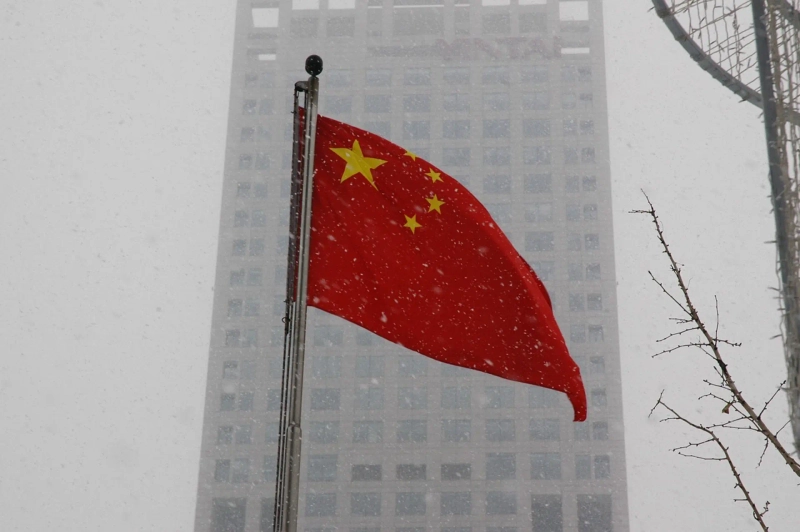
China recorded a record-high trade surplus of about $586 billion (₩810 trillion) in the first half of this year as exports surged in June. While exports to the United States declined, exports to Southeast Asia increased significantly, and shipments of products such as steel were concentrated in markets like the Middle East.
On the 14th (local time), China's General Administration of Customs announced that exports in June rose by 5.8% year-on-year to $325 billion (about ₩449 trillion). As a result, total exports for the first half reached a record-high $1.81 trillion (₩2,500 trillion), and the trade surplus also hit a record $586 billion.
According to Bloomberg, China's June exports far exceeded economists’ median forecasts. Imports during June also increased by 1.1%.
Exports to the United States fell by 16.1% year-on-year in June. In May, the drop was more than 34%. Chinese companies offset the decline in US-bound exports with higher sales in other markets. Exports to 10 Southeast Asian countries soared 17% year-on-year.
Rapidly shifting decreased US exports to other regions demonstrated the resilience of Chinese factories.
In particular, steel product exports increased sharply to Southeast Asian countries like Indonesia that do not impose tariffs, as well as to the Middle East, especially Saudi Arabia. As a result, semi-finished steel exports surged by more than 300% in the first five months of this year.
The key point now is whether the Trump administration can curb transshipment to the US through Southeast Asian and other countries, and if so, whether Chinese exports will remain strong.
Andrew Tilton, an economist at Goldman Sachs Group, analyzed in a report, “China’s export rebound was mainly driven by a US-bound export recovery in June, following substantial tariff cuts after the US-China trade negotiations in Geneva in May.”
The tariffs the US imposes on Chinese goods dropped from as high as 145% in early April to 55%, but risks remain due to the ever-changing US trade strategies.
For example, a new agreement with Vietnam set tariffs on Vietnamese products at 20%, but those considered transshipped were hit with a 40% tariff—targeting Chinese exporters’ efforts to circumvent US tariffs. This could dampen demand not only for Chinese products shipped directly to the US but also for components used in supply chains of other countries.
Trade figures that exceeded expectations are injecting vibrancy into China’s economy, which has struggled with deflation and a years-long property slump. Economists surveyed by Bloomberg estimate China’s second-quarter gross domestic product (GDP) rose 5.1% year-on-year.
Jung-A Kim, contributing reporter kja@hankyung.com

Korea Economic Daily
hankyung@bloomingbit.ioThe Korea Economic Daily Global is a digital media where latest news on Korean companies, industries, and financial markets.