

Trump Attacks Japan Again... "They Don't Buy Our Cars or Agricultural Products"
Summary
- President Donald Trump has once again raised criticism of Japan over the automotive trade imbalance between the United States and Japan.
- President Trump intensified pressure on the Japanese government regarding deals related to automotive and agricultural products, along with an announcement of tariff increases.
- Most of Japan's trade surplus with the US stems from the automotive sector, and ahead of the Upper House election, trade negotiations are seen as a key factor.
Besant, Treasury Secretary, Visits Japan a Day Before the Upper House Election on the 20th
Some Public Opinion Polls in Japan Say "Tariff Negotiations Will Affect the Upper House Election"
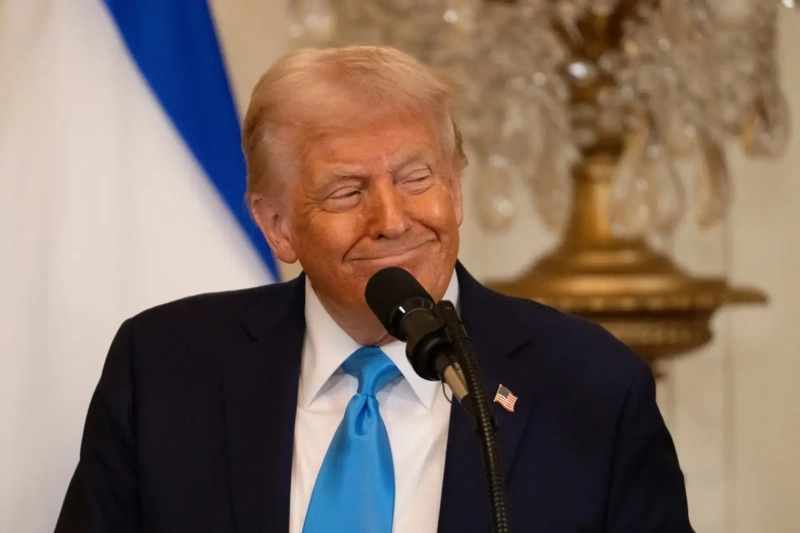
President Donald Trump of the United States once again attacked Japan by mentioning the trade imbalance in automobiles between the US and Japan. This week, Treasury Secretary Scott Besant is scheduled to visit Japan and apply renewed pressure on the Japanese government.
According to Bloomberg on the 14th (local time), President Trump told reporters in Washington, "(Japan) sells us millions of cars every year, but we can't sell to them. It's because they won't accept our cars. They also accept very little of our agricultural products," he said.
Last week, after months of negotiations with Japan made little progress, President Trump announced he would raise tariffs to 25% on Japan and Korea starting August 1. Besant, one of three chief US trade negotiators, plans to visit Japan on July 19 to attend the Osaka Expo. No information has been released regarding the holding of trade talks.
About 80% of Japan's trade surplus with the United States comes from automobiles and auto parts, and the automotive sector is already subject to a 25% tariff. While President Trump has complained that Japanese consumers don't buy American cars, Prime Minister Ishiba Shigeru has said that the cars from the US are left-hand drive, large, and have low fuel efficiency, making them hard to sell in the Japanese market.
Prime Minister Ishiba's minority government is facing the Upper House election, where trade negotiations could have fatal consequences, just one day away. A public opinion poll by NHK, the public broadcaster, found that about 9% of respondents said the tariff negotiations would influence their voting decision.
Contributing Reporter Kim Jeong-ah kja@hankyung.com

Korea Economic Daily
hankyung@bloomingbit.ioThe Korea Economic Daily Global is a digital media where latest news on Korean companies, industries, and financial markets.