

Only two weeks left for negotiations... Ministries hold differing positions
Summary
- The Ministry of Trade, Industry and Energy and the Ministry of Foreign Affairs reportedly focus on opening the agricultural market and lowering tariffs on exports such as automobiles.
- The Ministry of Agriculture, Food and Rural Affairs voiced concerns about difficult negotiations on further opening up sensitive agricultural products like rice and beef.
- With the deadline for tariff negotiations with the United States approaching, uncertainty over a deal is rising due to internal disagreement among ministries.
Ministry of Trade, Industry and Energy: "Concede on agricultural barriers
and lower tariffs on exports such as automobiles"
Ministry of Agriculture, Food and Rural Affairs: Other countries oppose rice quota adjustments
Beef issue faces opposition due to need for parliamentary review
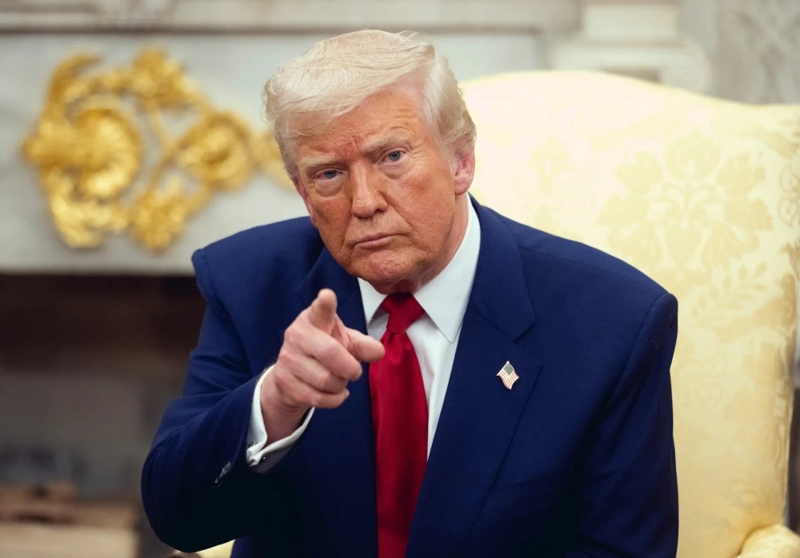
Although there are only two weeks left until the tariff negotiation deadline (August 1), which was set in stone by U.S. President Donald Trump, different voices are emerging from government ministries that should work as a unified team. There are reportedly significant differences in stance between ministries regarding the scope and method of opening up sensitive agricultural products such as rice and beef.
According to relevant ministries on the 17th, the Ministry of Trade, Industry and Energy, which is responsible for trade negotiations, is pushing to eliminate non-tariff barriers on agricultural products and to lower tariffs on major exports to the United States, such as automobiles. On the 14th, Han-Koo Yeo, Director-General for Trade Negotiations at the Ministry of Trade, Industry and Energy, stated, "We must make 'strategic considerations' for agricultural products in the U.S. tariff negotiations." Most officials at the Ministry believe that a "further opening of the agricultural market" card is needed to justify a comprehensive deal. An official commented, "Agriculture's share in GDP has dropped below 2%," and added, "If there had been market opening and innovation, competitiveness would have improved."
The Ministry of Foreign Affairs also considers the need for opening the agricultural market important. A representative said, "Given the current situation, the best alternative is to increase the low-tariff quota (TRQ) limit, now at a 5% tariff rate, and to apply a new TRQ for beef," noting, "Even if agricultural and livestock industries strongly oppose, the actual damage is not significant."
The Ministry of Agriculture, Food and Rural Affairs stresses that such negotiations are not easy under current domestic regulations. An official explained, "To bring in more U.S. rice under TRQ, we would have to reduce the quota for rice imported from other countries such as China and Vietnam within the allocation of 418,000 tons, but it is unlikely that those countries would agree." The official further stated, "If we are to import more U.S. rice at lower tariffs, we would have to renegotiate the Korea–United States Free Trade Agreement (KORUS FTA)." Internally, there is also skepticism regarding importing "beef from cattle over 30 months old." Current laws require parliamentary review to expand the beef import age, but even members of the National Assembly's Agriculture, Food, Rural Affairs, Oceans, and Fisheries Committee belonging to the ruling party are pushing back by saying, "Don't make farmers scapegoats." However, some within the Ministry see the expansion of beef imports as less burdensome compared to rice negotiations.
By Kwang-Sik Lee and Dae-Hoon Kim bumeran@hankyung.com

Korea Economic Daily
hankyung@bloomingbit.ioThe Korea Economic Daily Global is a digital media where latest news on Korean companies, industries, and financial markets.