

PiCK
Japanese stocks surge, yen collapses after election of Takaichi who advocates 'fiscal expansion'
Summary
- Reported that Japanese stocks jumped more than 5% and surpassed 48,000 points for the first time ever after Sanae Takaichi advocated fiscal and monetary easing policies.
- At the same time, the yen plunged more than 2% after surpassing 150 yen to the dollar, and long-term government bond yields hit record highs.
- Meanwhile, Bitcoin traded around $123,600 amid uncertainty over the U.S. government shutdown, and experts suggested it could rise to $135,000.
Short-term government bond yields fall; long-term government bond yields surge amid fiscal concerns
Gold nears $4,000; Bitcoin trades around $123,600
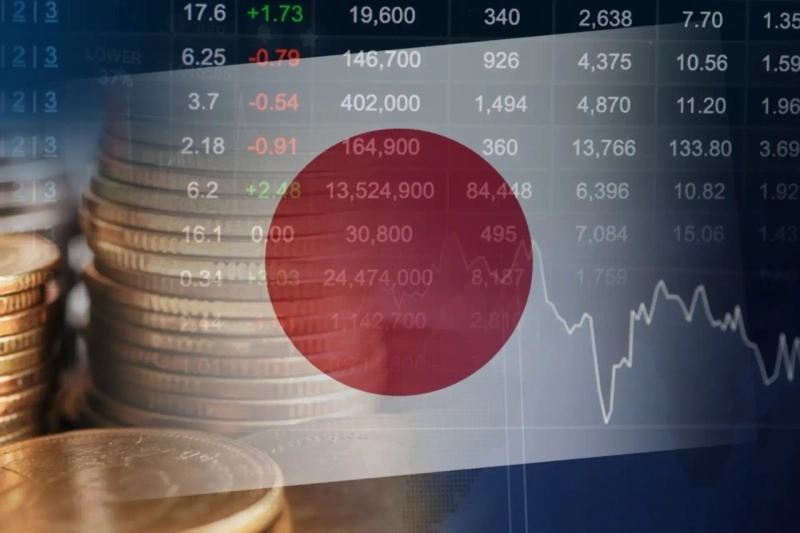
Sanae Takaichi, who advocates fiscal and monetary easing policies, was elected leader of the ruling party and is widely seen as the next prime minister, and on the 6th (local time) Japanese stocks jumped more than 5%, surpassing 48,000 points for the first time ever.
Meanwhile, the yen plunged more than 2% against the dollar, surpassing 150 yen to the dollar for the first time since August 1, and fell 1.8% against the euro. Long-term government bonds saw selling on concerns about fiscal policy, and Japan's 30-year government bond yield hit a record high that day.
Meanwhile, with the U.S. government shutdown dragging on and investor unease rising, gold hit a record high of $3,944, approaching $4,000, and was trading in the high $3,920s. Bitcoin, which set a record high of $125,689 the previous day, was also trading around $123,600 in Asian and European markets that day.
That day, the yield on Japan's 40-year government bond jumped by up to 17 basis points in a single day (1bp=0.01%), to 3.55%. The benchmark 10-year government bond yield rose to 1.68%, the highest since the 2008 global financial crisis. This reflects expectations that fiscal expansion will increase government spending and intensify inflationary pressures.
However, short-term government bond yields moved in the opposite direction to long-term bonds amid views that the likelihood of rate hikes has diminished. The 2-year Japanese government bond yield fell 4bp to 0.9%. In the yen swap market, the probability of the Bank of Japan raising rates by December was priced at 41%, down sharply from 68% on the 3rd two days earlier.
A year ago, Takaichi criticized the Bank of Japan's rate-hike decision as "foolish," but more recently she has used more measured language, saying that central bank policy should be aligned with the government.
Economists at Morgan Stanley MUFG Securities said, "Concerns that Japan's next government will pursue extreme fiscal expansion or exert political pressure on the Bank of Japan are overstated." They added that Takaichi's stance appears to align with Bank of Japan Governor Kazuo Ueda's "prudent approach."
Meanwhile, U.S. S&P 500 futures, which had surpassed a record high on the 3rd, rose 0.3% early that day in Eastern Time.
Jeffrey Kendrick, head of digital asset research at Standard Chartered Bank, said, "This time the U.S. government shutdown matters to financial markets." "This year Bitcoin has been trading with 'U.S. government risk,' which is reflected in its relationship with the premium on U.S. Treasuries," he explained.
Kendrick predicted, "Bitcoin prices will rise during the U.S. government shutdown and reach $135,000."
Jeong-a Kim, contributing reporter kja@hankyung.com

Korea Economic Daily
hankyung@bloomingbit.ioThe Korea Economic Daily Global is a digital media where latest news on Korean companies, industries, and financial markets.