

TD Cowen "Discussion on virtual asset market structure bill likely to be postponed until after the midterm elections"
Summary
- TD Cowen said the discussion over the virtual asset market structure bill has reached a deadlock and that there is a high possibility it will be postponed until after the U.S. midterm elections.
- He said the schedule for discussions within the Senate is unclear due to the differences in positions between the Republican and Democratic parties.
- Seiberg emphasized that, due to political timetables and interests, especially the provision banning ownership of virtual asset companies, a substantive agreement will likely only be possible after the elections.
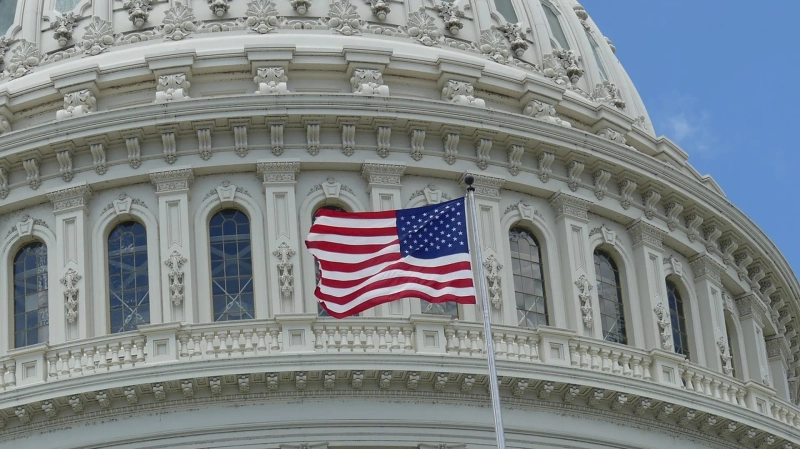
The discussion on a virtual asset (cryptocurrency) market structure bill has reached a stalemate, raising the prospect that substantive legislative procedures may be postponed until after the U.S. midterm elections.
On the 13th (local time), The Block reported that Jaret Seiberg, TD Cowen senior analyst, said in a report, "I do not rule out the possibility of the bill passing within the next 12 months, but senators have little incentive to move quickly," and "discussions on market structure are likely to be pushed until after the midterm elections."
Currently, the Senate sees sharp opposition between the Republican and Democratic parties over the direction of the virtual asset regulatory framework. The Republicans proposed a bill to clearly distinguish non-security virtual assets by introducing the concept of 'ancillary assets' along with a jurisdictional distinction between the Securities and Exchange Commission (SEC) and the Commodity Futures Trading Commission (CFTC).
By contrast, the Democrats recently released a six-page draft aimed at blocking illegal activities through decentralized finance (DeFi), but it drew criticism over its effectiveness and opposition from the industry and Republicans. A spokesperson for the Senate Banking Committee said, "The Democrats have not agreed to a schedule for bill deliberation," and "The schedule for substantive discussions is unclear."
Senator Ruben Gallego's office, a Democrat, criticized, "We can set a review schedule only after the bill's detailed provisions are finalized," and "The Republicans leaked the draft externally, damaging the trust in negotiations."
Seiberg analyzed, "Such procedural disputes are not to the extent of blocking negotiations, but they are clearly a factor slowing the pace," and "In particular, the Democrats' proposed 'prohibition on high-ranking public officials and their families owning virtual asset companies' is acting as a major stumbling block."
He added, "Given the complex intertwining of political schedules and interests, a substantive agreement within the Senate will likely only be possible after the elections."

Son Min
sonmin@bloomingbit.ioHello I’m Son Min, a journalist at BloomingBit