

PiCK
U.S. CFTC launches digital asset collateral pilot…measures to resolve regulatory uncertainty implemented in parallel
Summary
- The U.S. Commodity Futures Trading Commission (CFTC) announced the launch of a pilot program that allows major digital assets such as Bitcoin, Ethereum, and USDC to be used as collateral for derivatives.
- The CFTC said it repealed some existing regulations and introduced new guidance on tokenized assets, taking steps to institutionally expand the acceptance of digital assets in financial markets.
- During the first three months of the pilot program, derivatives-member firms may accept only Bitcoin, Ethereum, and USDC as collateral, and the CFTC said it will monitor market trends to manage investment risks and prevent regulatory conflicts.
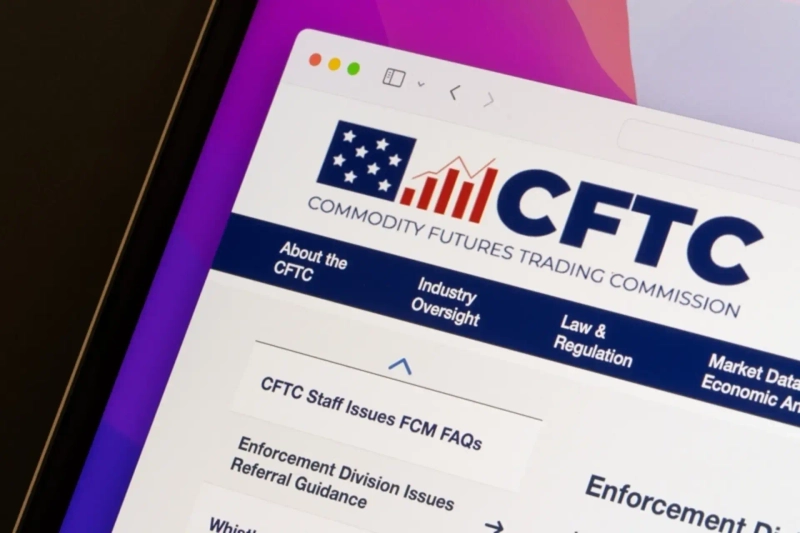
The U.S. Commodity Futures Trading Commission (CFTC) has launched a pilot program allowing digital assets such as Bitcoin, Ethereum, and Circle's U.S. dollar stablecoin USDC to be used as collateral in the derivatives market. Alongside the release of guidance on tokenized assets, the CFTC repealed some existing regulations, a move seen as expanding acceptance of digital assets within the regulated financial system.
According to the announcement on the 8th (local time), Commissioner Carrolline D. Pham said the CFTC is launching a digital asset pilot program that allows certain digital assets — Bitcoin, Ethereum, and USDC — to be used as derivatives collateral, and simultaneously published new guidance on tokenized collateral. Regulatory documents rendered obsolete by the implementation of the GENIUS Act were formally withdrawn.
Commissioner Pham explained that this action is an extension of this year's Crypto Sprint efforts and establishes a foundation to expand the use of digital assets in a regulated market with safeguards in place. She emphasized the increasing importance of the regulated market's role in protecting U.S. investors from losses occurring on overseas exchanges and said the move is consistent with recent policies permitting spot crypto trading.
Industry participants viewed the move as institutional recognition of stablecoins and digital assets for financial market use. Paul Grewal, Coinbase's Chief Legal Officer, said the regulators officially acknowledged that tokenization technology can reduce settlement costs and risks, calling it a decision that realizes the intent of the GENIUS Act. Heath Tarbert of Circle said using supervised stablecoins in the derivatives market can reduce settlement costs and delays while strengthening 24-hour risk management capabilities.
Kris Marszalek, co-founder and CEO of Crypto.com, said the guidance is the first institutional step to allow the use of tokenized collateral within the United States, enabling a structure that had long been possible only in overseas markets to be realized domestically. Jack McDonald, Vice President at Ripple, said recognizing certain digital assets as derivatives margin will improve capital efficiency and bolster the United States' position in global financial innovation.
The CFTC indicated in the guidance that tokenized assets will be evaluated in a technology-neutral manner. It recommended reviewing detailed elements individually within the regulatory framework, including the legal effect of tokenized assets, custody and control structures, haircut and valuation standards, and operational risks. The scope includes tokens backed by real assets such as U.S. Treasury securities and money market funds.
The Market Participants Division (MPD) also announced a 'no-action' measure that exempts certain obligations applied when a futures commission merchant (FCM) receives non-security digital assets, particularly payment stablecoins, as customer margin collateral or holds them in customer accounts. The no-action relief is designed to clarify capital rules and segregation requirements while not restricting the acceptance of digital assets.
In particular, during the initial three months of the program, the digital assets FCMs may accept are limited to Bitcoin, Ethereum, and USDC. During this period, FCMs must report weekly the size of digital asset holdings by account type and must immediately notify the CFTC of any material issues related to assets used as margin collateral. The CFTC said it will monitor the risks of digital asset collateral structures through this process to avoid regulatory conflicts.
The CFTC also immediately withdrew Staff Advisory No. 20-34, which had restricted the receipt of virtual assets as customer collateral. The rapid growth of the digital asset market and the implementation of the GENIUS Act led to the determination that the advisory no longer fits the current market structure.
The move was prepared reflecting recommendations from an industry CEO forum hosted by the CFTC and the Digital Asset Subcommittee under the Global Markets Advisory Committee.

YM Lee
20min@bloomingbit.ioCrypto Chatterbox_ tlg@Bloomingbit_YMLEE