

PiCK
Government draft for the Digital Asset Basic Act (phase-2) likely to miss submission deadline…Disagreements persist over stablecoin leadership
Summary
- It reported that submission of the government draft for the Digital Asset Basic Act (virtual asset phase-2 bill) is being delayed due to differences between the Financial Services Commission and the Bank of Korea over the stablecoin issuance structure and authority.
- It said the core issues are the issuer of won-denominated stablecoins and whether the Bank of Korea has the authority to request inspections, and that if agencies do not coordinate, submission of the government draft could be pushed into next year.
- It interpreted that as views within the ruling party favoring opening opportunities to fintech gain strength, the pace of pushing forward phase-2 virtual asset legislation could be slower than originally planned.
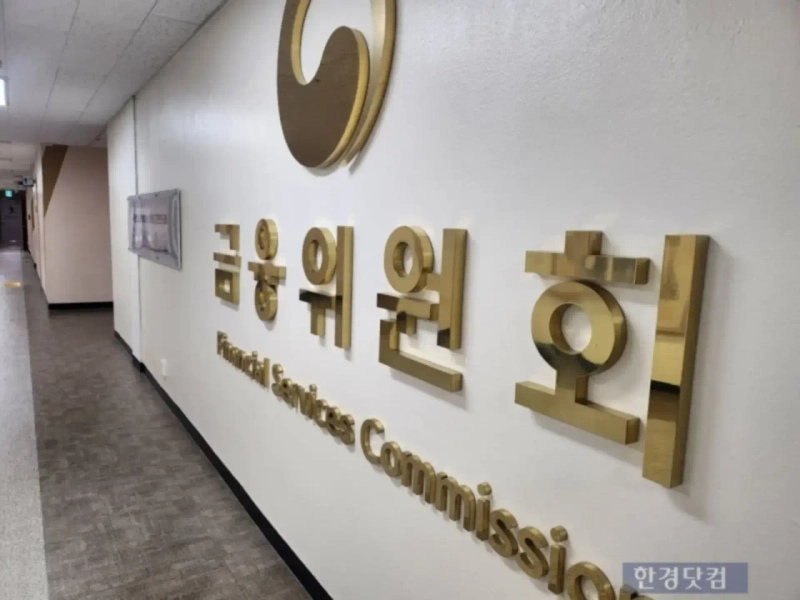
Submission of the government draft for the Digital Asset Basic Act (virtual asset phase-2 bill) for legislation appears likely to miss the original deadline of the 10th demanded by the ruling party. Analysts say work has been delayed as the Financial Services Commission and the Bank of Korea have failed to reach an agreement over the stablecoin issuance structure and authority.
According to industry sources on the 9th, the FSC conveyed to the National Assembly's Political Affairs Committee that "it is difficult to submit the government draft by the 10th." Some in the National Assembly also continued to request that "a plan coordinated with the Bank of Korea be brought forward," reportedly delaying the finalization of the government draft.
The core issue is the issuer of won-denominated stablecoins and the scope of the Bank of Korea's involvement. The Bank of Korea maintains the position that, for financial stability reasons, only a consortium in which the banking sector holds a 51% or greater stake can be the issuer. The FSC, on the other hand, is opposed to specifying a particular share ratio in the law. Their logic is that non-bank-based issuers like Tether are leading financial innovation in global markets, so domestic participation by non-banks such as fintechs should not be excluded. Within the ruling party, the view that "opportunities should be opened to fintech" is also gaining strength.
As the FSC and the Bank of Korea fail to narrow their differences over issuance structure and supervisory authority, there is an interpretation that the pace of pushing forward the phase-2 virtual asset legislation could be delayed more than originally planned.
Additionally, whether the Bank of Korea has the authority to request inspections is another point of conflict. The Bank of Korea argues for the authority to require the Financial Supervisory Service to conduct inspections of stablecoin issuers, but the FSC is reportedly opposed. If coordination between agencies on key issues is not achieved, there is also the possibility that submission of the government draft could be pushed into next year.

Minseung Kang
minriver@bloomingbit.ioBlockchain journalist | Writer of Trade Now & Altcoin Now, must-read content for investors.