PiCK
Oil jumps 4% despite provisional U.S.-Iran understanding: “Fears of military clash”
Summary
- International oil prices surged on reports that a U.S. military operation against Iran could be imminent, with WTI rising 4.6% to $65.19.
- In the event of a U.S.-Iran military clash, a blockade of the Strait of Hormuz could heighten the risk of disruptions to energy supplies in the Middle East.
- Rapidan Energy Group and Saxo Bank said oil-price volatility, a spike in crude prices, and higher gasoline prices could be key variables tied to the U.S. midterm elections and negotiating strategy.
Forecast Trend Report by Period


WTI posts biggest gain since October last year
U.S. media: “A military strike could come sooner than expected”
But U.S. midterm elections are a key variable
Trump burdened by a surge in gasoline prices
International oil prices surged after reports that a U.S. military operation against Iran could be imminent. Although the United States and Iran agreed the day before on basic principles for nuclear talks, markets remain highly sensitive to the risk of a military confrontation.
On the 18th (local time), March-delivery West Texas Intermediate (WTI) crude on the New York Mercantile Exchange settled up 4.6% from the previous session at $65.19 a barrel, marking its biggest rise since October last year. Brent crude climbed back above $70 a barrel for the first time in two weeks. A day earlier, prices had fallen to a two-week low as the U.S. and Iran held their second round of nuclear talks, only to rebound within 24 hours.
The rally was widely attributed to rising concerns over a U.S.-Iran military clash. U.S. outlet Axios reported that, unlike an operation conducted in Venezuela last month, a U.S. operation could more likely turn into a prolonged campaign lasting several weeks. It also said the Israeli government is pursuing a scenario aimed at regime change.
If a large-scale confrontation breaks out between the United States and Iran, disruptions to crude shipments through the Strait of Hormuz—the world’s largest oil-export chokepoint—would become more likely. Iran said on the 17th it would temporarily block the Strait of Hormuz for military drills. Iranian state media later reported the waterway had been closed for several hours, but did not clearly state whether it had fully reopened.
Andrew Lipow, president of Lipow Oil Associates, told Reuters that “recent moves in oil prices are being driven entirely by geopolitical factors,” adding that the market “continues to react to headlines tied to talks between Russia and Ukraine, in addition to the U.S. and Iran.”
Comments from U.S. Vice President JD Vance also added fuel to the rally. In an interview with Fox News the day before, Vance said nuclear talks with Iran had “in some ways gone well,” but added it was “very clear” Iran still was not taking seriously—and was not yet willing to resolve—several red lines set by the president. While the two sides agreed on basic principles, the remarks were interpreted as signaling Iran could still ultimately reject key U.S. demands.
Rapidan Energy Group said in a report that the outcome of the U.S.-Iran talks in Geneva suggests a diplomatic solution is nearing stalemate. The firm raised its estimate of the likelihood that Iranian retaliation to a U.S. attack could cause significant problems for energy supplies in the Middle East to 30% from 20%.
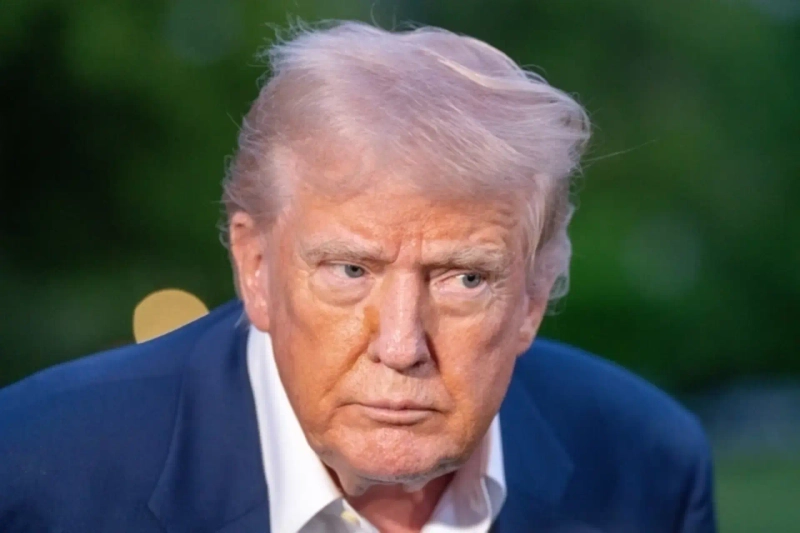
Still, the market is pointing to U.S. midterm elections as a key variable for any military operation, as President Donald Trump may be wary of a sharp rise in crude prices ahead of the vote. A military clash that lifts crude prices could push gasoline prices higher, risking voter backlash.
Denmark-based investment bank Saxo Bank told Bloomberg, “In a year when cost-of-living pressures have emerged as a major issue, we still don’t believe President Trump will be willing to take the risk of higher prices at U.S. gas stations,” adding that “today’s rise in oil was influenced by the Axios report.”
Some also see Iran using oil-price volatility as a strategic card in negotiations with the United States. Bjarne Schieldrop, chief analyst at SEB, said, “Iran now knows (U.S. President Donald Trump’s) negotiating tactics well,” adding that Tehran also understands that disruptions to oil exports through the Strait of Hormuz—and a spike in oil prices to as high as $150 a barrel—are what Trump wants least. “Iran has time to negotiate calmly,” he added.
Reporter Myunghyun Han wise@hankyung.com

Korea Economic Daily
hankyung@bloomingbit.ioThe Korea Economic Daily Global is a digital media where latest news on Korean companies, industries, and financial markets.