Summary
- The ECB kept the deposit rate, the main refinancing rate and the marginal lending facility rate unchanged, leaving the interest-rate differentials between the eurozone and South Korea, as well as the United States, intact.
- The ECB sharply raised its forecast for the eurozone consumer inflation rate to 2.6% from 1.9%, while lowering its economic growth forecast to 0.9% from 1.0%.
- The ECB said the war in the Middle East is simultaneously generating upside risks to inflation and downside risks to economic growth, and that higher energy prices will have a significant short-term impact on inflation.
Forecast Trend Report by Period


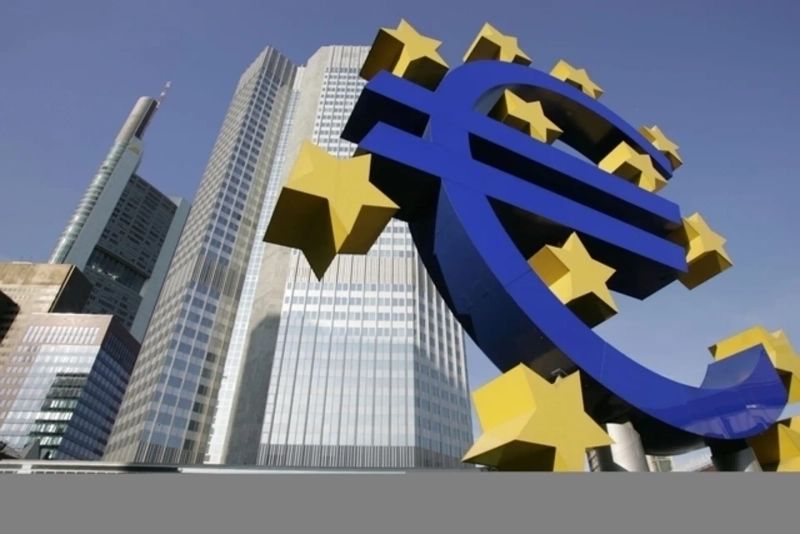
The European Central Bank (ECB) kept all three key policy rates, including the deposit rate, unchanged.
According to Bloomberg and other foreign media on the 19th (local time), the ECB held a monetary policy meeting and left the deposit rate unchanged at 2.00% per annum. The main refinancing rate (2.15%) and the marginal lending facility rate (2.40%) were also maintained without change.
As a result, the gap between the eurozone’s deposit rate—used as the region’s monetary policy benchmark for the eurozone (21 countries that use the euro)—and South Korea’s policy rate (2.50%) remained at 0.50% point. The interest-rate differential between the eurozone and the United States (3.50–3.75%) stands at 1.50–1.75% points.
Previously, the ECB cut policy rates by a total of 2.00% points across eight moves over the year starting in June 2024. It has since held rates steady for six consecutive meetings through today.
Inflation projections were revised sharply higher. In its latest set of economic forecasts released today, the ECB raised its projection for the eurozone’s consumer inflation rate this year to 2.6% from 1.9%. By contrast, it lowered its economic growth forecast to 0.9% from 1.0%.
In a statement, the ECB stressed that “the outlook has become considerably more uncertain” due to the war in the Middle East. The ECB said that “(because of the war in the Middle East) both upside risks to inflation and downside risks to economic growth are materializing,” adding that “this will have a significant short-term impact on inflation through higher energy prices.” It added that “the medium- to long-term impact will depend on the intensity and duration of the conflict, and on how energy prices feed through to consumer prices and the economy.”

JOON HYOUNG LEE
gilson@bloomingbit.ioCrypto Journalist based in Seoul