JIC Fuels Inflation Pressure… Central Banks’ Dilemma Deepens
Summary
- It said that as JIC spreads, companies’ production costs could rise and become a structural driver of higher prices.
- It reported that the OECD raised the G20’s inflation forecast for this year to 4.0% from 2.8%.
- It reported that UK and German 10-year government bond yields have climbed to their highest levels since the financial crisis, pushing up global funding costs.
Forecast Trend Report by Period


Inflation Risks Resurface if Firms Pass on Costs
Policy Decisions Grow More Complicated in Major Economies
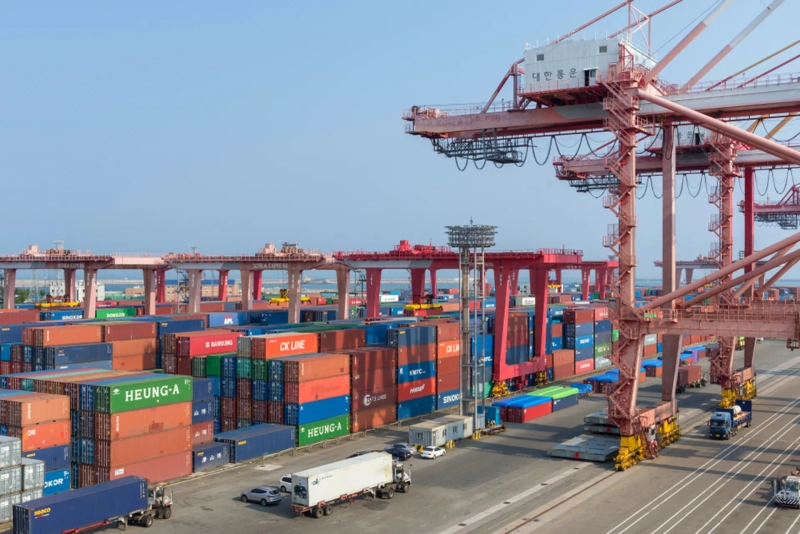
As JIC (just in case—procurement designed to hedge against shocks and contingencies) takes hold as a new strategy for global companies, central banks are facing a growing policy headache. The shift can push up production costs and act as a structural driver of higher prices.
According to the OECD’s “Interim Economic Outlook 2026” released on the 2nd, the average forecast for this year’s inflation rate across the G20 was raised by 1.2 percentage points to 4.0% from 2.8%. The revision reflects expectations that the Middle East-driven oil-price shock will stoke inflation worldwide.
JIC is a more expensive model than the traditional JIT (just in time—just-in-time parts procurement). To adopt JIC, companies must hold more inventory and diversify suppliers. That, in turn, increases costs such as logistics and warehousing as well as financing expenses. With central banks in many countries extending a higher-for-longer interest-rate stance, capital costs are likely to rise further.
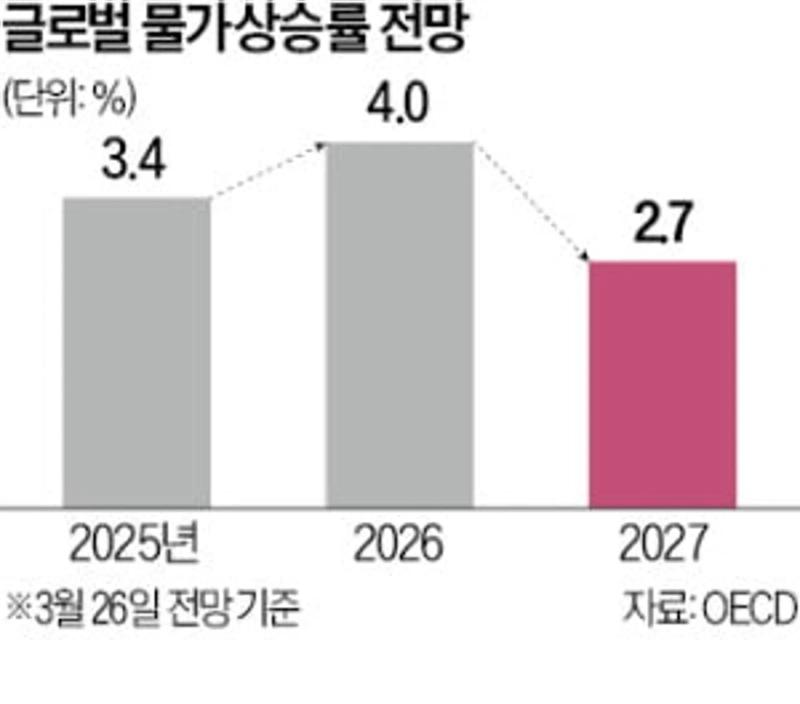
The spread of JIC is expected to constrain central banks’ monetary policy. After years of containing inflation by enduring the pain of high rates, inflation fears are resurfacing—raising even the prospect of stagflation (rising prices amid an economic downturn). The UK’s 10-year government bond yield has already climbed above 5%, reaching its highest level since the global financial crisis. Germany’s 10-year government bond yield has also hit its highest level since 2011, lifting funding costs across Europe’s financial markets.
For now, higher energy prices are weighing on inflation, but cost increases tied to JIC are also likely to feed into consumer prices in the coming years. An industry official said, “Regardless of whether energy prices stabilize, companies will try to pass these costs on to selling prices going forward.”
By Kim Joo-wan kjwan@hankyung.com

Korea Economic Daily
hankyung@bloomingbit.ioThe Korea Economic Daily Global is a digital media where latest news on Korean companies, industries, and financial markets.