PiCK
U.S., Iran discuss 45-day ceasefire plan… “Unlikely to reach a deal within 48 hours”
Summary
- The United States and Iran are reported to be discussing, via mediators, a 45-day ceasefire plan and a permanent end to hostilities.
- If the negotiations collapse, the report says the prospect is rising of large-scale airstrikes targeting Iranian civilian infrastructure and retaliatory attacks that could also hit energy infrastructure in the Middle East.
- Key sticking points are the reopening of the Strait of Hormuz and how Iran will handle its highly enriched uranium, with the next 48 hours seen as pivotal.
Forecast Trend Report by Period


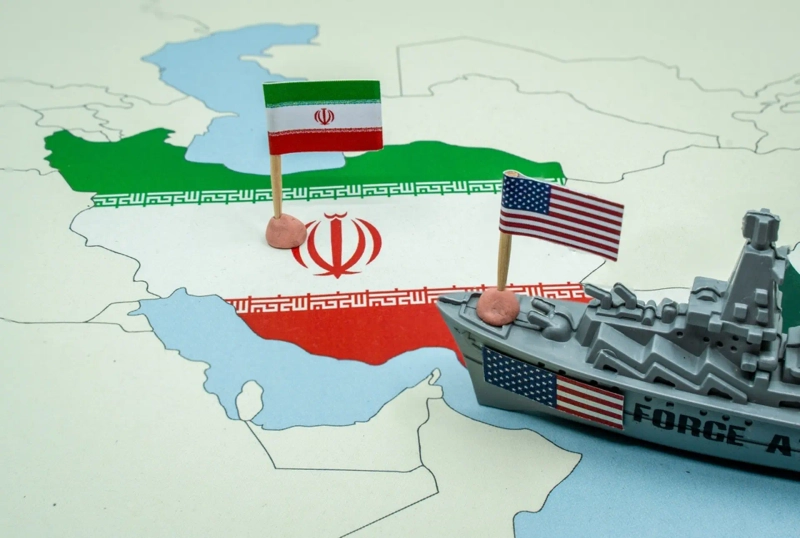
The United States and Iran are reported to be conducting talks, via mediators, on negotiations to end the war that include a 45-day ceasefire proposal.
According to multiple U.S., Israeli and Middle East-based sources cited by Axios on the 5th (local time), the two sides are discussing a “two-phase agreement” aimed at preventing an escalation into all-out war. The framework under consideration would implement a 45-day ceasefire in phase one, followed by negotiations on a permanent end to hostilities.
However, the likelihood of reaching even a partial agreement within the next 48 hours is assessed as low. With this round of talks seen as effectively the last diplomatic attempt, a breakdown could raise the prospect of large-scale airstrikes targeting Iranian civilian infrastructure and subsequent retaliatory attacks.
U.S. President Donald Trump extended the original 10-day deadline he presented to Iran, setting 8 p.m. on the 8th (U.S. Eastern Time) as the new cutoff. While saying “there is a chance of a deal,” Trump warned that “if the negotiations collapse, we could move to a large-scale attack.”
The negotiations are currently being conducted through mediators including Pakistan, Egypt and Turkey, and informal back-channel communications are also reportedly taking place between Trump’s special envoy and Iran’s foreign minister.
The key sticking points are reopening the Strait of Hormuz and how Iran will address its stockpile of highly enriched uranium. Mediators are considering a plan under which Iran would take certain steps in the initial phase of a ceasefire, but Tehran’s position is that it would be difficult to give up core negotiating leverage under only a limited ceasefire.
Iran is also reportedly expressing deep distrust that military action could resume even after a ceasefire, as in past cases such as Gaza.
Mediators are concerned that if the talks collapse, retaliatory strikes against energy infrastructure across the Middle East could follow, and they view the next 48 hours as pivotal.

Suehyeon Lee
shlee@bloomingbit.ioI'm reporter Suehyeon Lee, your Web3 Moderator.