US Seizes Cargo Ship, Iran Claims Drone Attack as April 20 Ceasefire Talks Hang in Balance
Summary
- Concern is growing that second-round ceasefire talks could collapse as tensions between the US and Iran intensify.
- Iran has reaffirmed that it will not give up control of the Strait of Hormuz.
- Amid fears that US-Iran ceasefire talks could break down, international oil prices, Brent crude, and WTI futures surged.
Forecast Trend Report by Period


US Turns Up Pressure on Iran
Iran Says Strait of Hormuz Control Law Will Be Enforced Soon
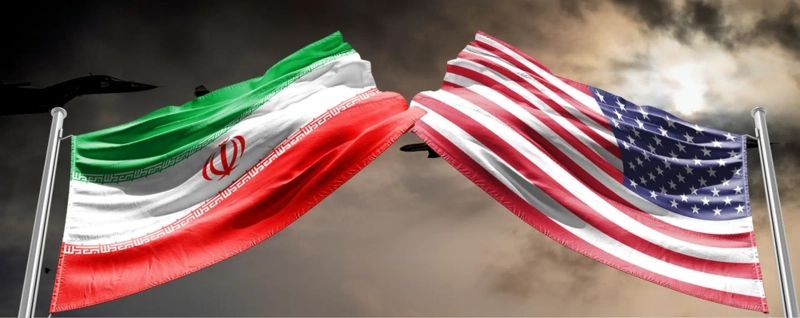
Tensions between the US and Iran escalated on April 19, two days before a two-week ceasefire was set to end, as the two sides traded actions including the seizure of a merchant vessel and a drone attack. The flareup has raised concern that a second round of talks to end the war, which could resume as early as April 20, may collapse.
US Central Command said it fired on and seized the cargo ship Tusca Ho after the vessel departed China and was headed for Bandar Abbas, Iran. The US is enforcing a maritime blockade to stop ships traveling to and from Iran in response to Tehran's closure of the Strait of Hormuz.
President Donald Trump wrote on Truth Social that an Iranian cargo ship named "Tosca" had tried to break the US naval blockade and failed. "The US Marines are currently holding that vessel," he wrote. The move appeared aimed at maximizing pressure on Iran ahead of the ceasefire talks.
Iran responded immediately. A spokesman for Khatam al-Anbiya, the central military headquarters that coordinates Iran's armed forces, told Tasnim News that Tehran would soon respond to and retaliate for what he described as armed piracy by US forces. Iran also claimed it had launched a UAV attack on a US warship in response to the seizure of its cargo vessel.
Iran also signaled it would not yield control over the Strait of Hormuz. Ebrahim Azizi, chairman of the Iranian parliament's National Security and Foreign Policy Committee, said in an interview posted on the BBC website that passage through the strait is "our inalienable right." He said Iran would decide transit rights, including whether ships are permitted to pass through the waterway. He added that a bill based on Article 110 of the constitution, covering environmental protection, maritime safety and national security, had been submitted to parliament and would be enforced by the military.
Concern that the US-Iran ceasefire talks could break down sent oil prices sharply higher again. Brent crude futures for June delivery jumped 6.14% from the previous session to $95.93 a barrel as of 8:30 a.m. Korea time on April 20. US West Texas Intermediate futures for May delivery rose 7.35% to $90.01 a barrel.
Park Shin-young, New York correspondent, Hankyung.com nyusos@hankyung.com

Korea Economic Daily
hankyung@bloomingbit.ioThe Korea Economic Daily Global is a digital media where latest news on Korean companies, industries, and financial markets.