PiCK
Vance Heads to Pakistan as US-Iran Talks Stall Over Ship Seizure, Hormuz
Summary
- The US said it has raised pressure on Iran to the highest level through a maritime blockade tied to the Strait of Hormuz and the seizure of an Iranian vessel.
- The US is demanding the resumption of commercial shipping through the Strait of Hormuz, a halt to uranium enrichment for at least 20 years, and the removal of existing stockpiles of enriched uranium.
- Iran wants to retain control over the Strait of Hormuz, secure a full lifting of sanctions, and shorten the enrichment freeze, leaving the prospects for a deal uncertain.
Forecast Trend Report by Period


US Says It Seized Iranian Vessel Trying to Transit Hormuz
Iran Denounces Move, Signals Drone Retaliation
Sides Remain Split on Hormuz Control and Uranium Enrichment
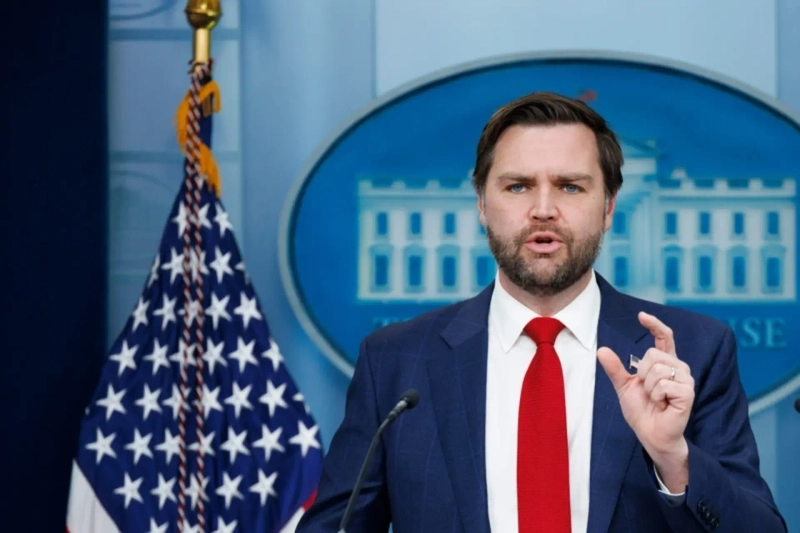
US-Iran ceasefire talks have hit a fresh obstacle. Iran remains determined to preserve its control over the Strait of Hormuz, while the US has intensified pressure by seizing an Iranian vessel. The two sides also remain far apart on Iran’s nuclear program. Vice President JD Vance, who is leading the US negotiating team, is due to arrive in Pakistan on the evening of April 20 and hold talks the following day. Iran, however, has signaled it may not attend, calling US demands excessive. A two-week truce brokered by Pakistan is set to expire on the night of April 21.
Pressure on Iran at Maximum
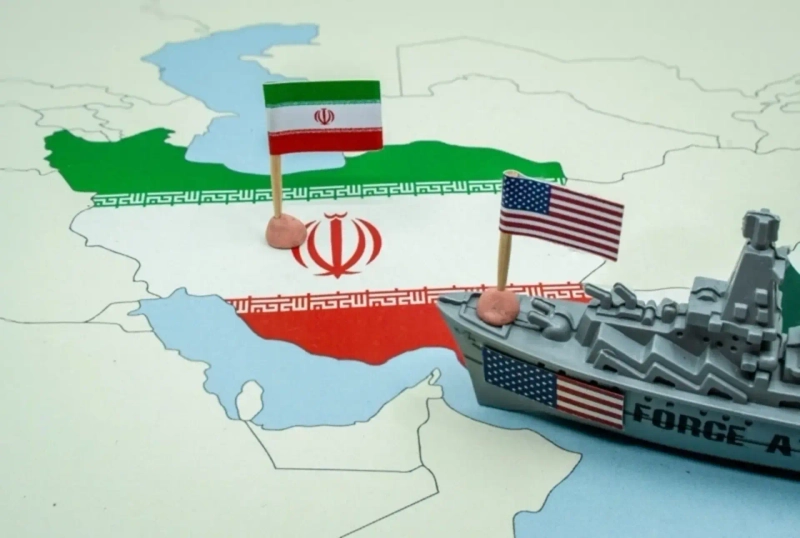
President Donald Trump is ratcheting up pressure on Iran as a second round of ceasefire talks nears. In a Truth Social post on April 19, he warned that the US would carry out airstrikes on power plants and bridges if Iran refused to agree to a deal. He also accused Iran of violating the initial ceasefire by attacking vessels attempting to pass through the Strait of Hormuz.
Trump also said the US had seized an Iranian-flagged vessel that tried to break through an American maritime blockade in the Gulf of Oman. The US has intercepted more than 20 Iran-linked ships so far, but this was the first case involving the use of force.
In the post, Trump said an Iranian cargo ship named Tuska, about 900 feet long, or roughly 275 meters, had attempted to breach the blockade and failed.
He wrote that the guided-missile destroyer USS Spruance intercepted the Tuska in the Gulf of Oman and issued a lawful order to stop. The Iranian crew did not comply, and a US warship disabled the vessel by punching a hole in its engine room. Trump added that the US Marine Corps was holding the ship and inspecting its contents. He also said the vessel was on the US Treasury Department’s sanctions list because of a record of illegal activity.
Iran has shown no sign of backing down. Iran’s state news agency criticized the US for repeating “excessive and unrealistic demands” and for continuing to shift its position. It added that there was no prospect for productive negotiations.
A spokesman for the Khatam al-Anbiya Central Headquarters, which coordinates Iran’s armed forces, told state media that US gunfire violated the ceasefire agreement and that Iran would respond soon. He also claimed Iran had launched a drone attack on a US warship.
US-Iran Talks at an Impasse
The two sides remain fundamentally divided over restoring maritime traffic through the Strait of Hormuz and over uranium enrichment. The US is demanding the near-term resumption of commercial shipping through Hormuz, a halt to uranium enrichment for at least 20 years, and the removal of Iran’s existing stockpile of enriched uranium. Over the longer term, Washington also wants limits on missile development and an end to support for proxy forces in the Middle East, though those issues are not part of the core agenda in the current talks.
Iran, by contrast, wants to retain control over the Strait of Hormuz, secure a full lifting of sanctions and shorten the enrichment freeze. Those differences continue to cloud the prospects for a deal.
The Wall Street Journal reported that uranium enrichment remains the biggest sticking point. The US initially demanded a permanent halt, but has recently signaled it could accept a 20-year suspension. The newspaper said the shift reflected political calculations, as Washington wanted to avoid an outcome that could resemble the 2015 Iran nuclear deal, or JCPOA, which imposed enrichment limits for 10 to 15 years.
A compromise proposal has also surfaced. Under that plan, Iran would halt enrichment for 10 years and then be allowed to produce limited amounts of low-enriched uranium for the following decade.
The two sides plan to negotiate the details of a broader agreement over the coming weeks or months if they can first reach a memorandum of understanding laying out the basic framework.
Mixed Signals on Both Sides
Confusion has also persisted over the state of the negotiations. Trump said on April 17 that the Strait of Hormuz had been fully reopened and that Iran had accepted most US demands. Iran denied that claim and attacked a vessel the next day.
Differences have also surfaced within Iran between the civilian government and the Islamic Revolutionary Guard Corps. The IRGC denied remarks by Iran’s foreign minister shortly after he referred to reopening the strait. Negotiators, however, believe those tensions may be overstated and that Iran still intends to negotiate.
Still, progress in the ceasefire talks cannot be ruled out. The Wall Street Journal said Iran has in past negotiations joined talks after first issuing hard-line statements. Trump also sounded optimistic in an interview with Axios on April 20. “I feel good,” he said. “The basic framework for a deal is in place. I think there’s a very good chance we get it done.”
Park Shin-young, New York correspondent, Hankyung.com, nyusos@hankyung.com

Korea Economic Daily
hankyung@bloomingbit.ioThe Korea Economic Daily Global is a digital media where latest news on Korean companies, industries, and financial markets.