Summary
- A report said the markup schedule for the Clarity Act, a US digital-asset market-structure bill, could be pushed back to May.
- The report said mounting opposition from the banking industry over stablecoin interest, or yield, regulation is adding to the risk of a delay.
- It added that the dispute has reignited as banks seek further changes to limits on stablecoin yield, and that excessive demands from industry groups could derail a deal and prolong the status quo.
Forecast Trend Report by Period


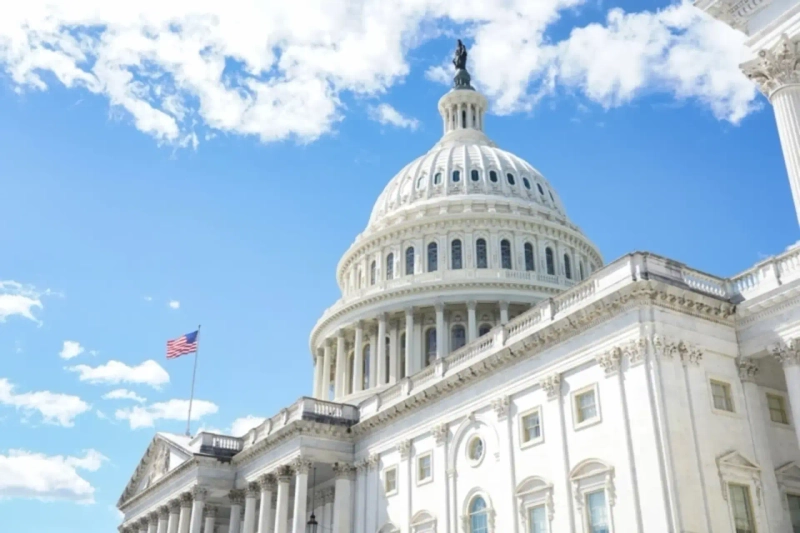
The congressional timetable for the Clarity Act, a US market-structure bill for the digital-asset industry, may slip.
Crypto in America reported on April 20 that the Senate Banking Committee had been expected to begin a markup of the bill as soon as this month, but the schedule could be pushed to May.
A markup would need to take place this week for a vote to be held by the end of April, the outlet reported. But discussions at the committee are effectively off the table early this week because of hearings for Kevin Warsh, a candidate to become the next Federal Reserve chair.
Pushback from the banking industry over regulation of stablecoin interest, or yield, is also seen as a factor behind the delay. Eleanor Terrett of Crypto in America previously reported that Senator Thom Tillis's office was facing pressure from banking groups including the North Carolina Bankers Association. The groups are dissatisfied with the scope of the draft bill's restrictions on stablecoin yield and are urging members to convey their views to Tillis staff.
Stablecoin interest rates have emerged as a key sticking point in the Clarity Act. The crypto industry and banks had spent about two and a half months negotiating a compromise, but the conflict has resurfaced after banks recently sought additional revisions, the report said.
One source said industry groups in Washington were insisting on perfect terms rather than a realistic compromise, leaving the interests of small and mid-sized banks across the country inadequately reflected. Banks could accept the current agreement and reduce deposit outflows, the person added, but excessive demands could instead leave the talks without a deal and preserve the status quo.
Patrick Witt, executive director of the White House's digital-asset council secretariat, also criticized the banking industry on X. "Further lobbying on this issue is hard to explain as anything other than greed or ignorance," he wrote.

Uk Jin
wook9629@bloomingbit.ioH3LLO, World! I am Uk Jin.