

PiCK
China Struggles with Handling Seized Virtual Assets from Crimes...Will Virtual Asset Regulations Improve?
Summary
- It was reported that as the Chinese government increases the seizure of virtual assets from illegal trades, the need for clear regulations is being raised.
- It was explained that local governments in China have been adding to their finances by selling seized virtual assets overseas through private companies, but this is evaluated as illegal activity.
- Reuters reported that discussions have been held on recognizing virtual assets as legal assets and establishing a unified procedure to promote changes in China's virtual asset industry.
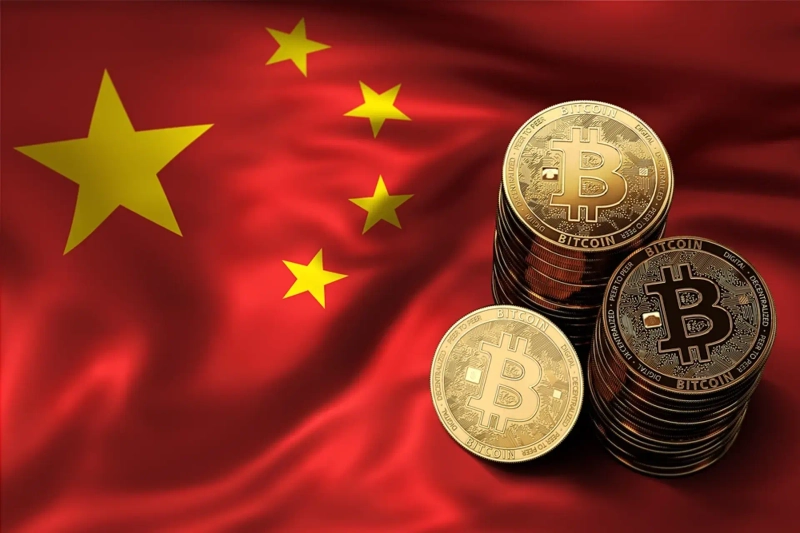
It is reported that active virtual asset (cryptocurrency) trading is still occurring on the Chinese mainland, where all virtual asset trading is banned. As the Chinese government increasingly seizes virtual assets from these illegal trades, there is a growing call for clear regulations.
On the 16th (local time), Reuters reported that among lawyers on the Chinese mainland, there are calls for the Chinese authorities to improve their inadequate and inconsistent approach to Bitcoin (BTC) and other virtual assets. Some lawyers particularly warned that such ambiguous regulations could serve as a basis for illegal activities and foster corruption.
According to Reuters, local governments in China have been adding to their finances by selling seized virtual assets overseas through private companies. However, this is evaluated as illegal activity in China, where virtual asset trading is completely banned. Professor Chen Xi of Zhongnan University of Economics and Law explained, "Such dispositions are merely temporary measures in China, where virtual asset trading is currently banned."
In fact, the scale of virtual assets collected through seizures by local governments in China has been rapidly increasing recently. According to blockchain security firm SAFEIS, the fines and seizures from virtual asset crimes by local governments in China amounted to 378 billion yuan (approximately 73.56 trillion won) in 2023, a 65% increase compared to five years ago.
Meanwhile, it is reported that lawyers on the Chinese mainland have held several discussions with judges and public security officials to change the way seized virtual assets are handled. At a seminar last January, there was overwhelming agreement on the need to recognize virtual assets as legal assets and establish a unified procedure for their seizure and disposal.
Reuters evaluated, "This could bring significant changes to China's virtual asset industry," and added, "If so, it would be similar to the moves of the Trump administration in the United States, which is showing a friendly stance towards virtual assets."

Uk Jin
wook9629@bloomingbit.ioH3LLO, World! I am Uk Jin.