

U.S. S&P 500 Surpasses 6,400 Points... Nasdaq Also Reaches Record High
Summary
- The S&P 500 and Nasdaq Composite both hit record highs, showcasing strength in the U.S. stock market.
- Upcoming key events such as the Federal Reserve's policy meeting, major economic data releases, and earnings from the Magnificent 7 tech giants are expected to impact the market this week.
- Rising international oil prices, a strong dollar, and the release of major employment and inflation indicators are drawing investor attention.
Optimism Spreads Ahead of Trade Agreement, Key Economic Indicators, and Fed Meeting
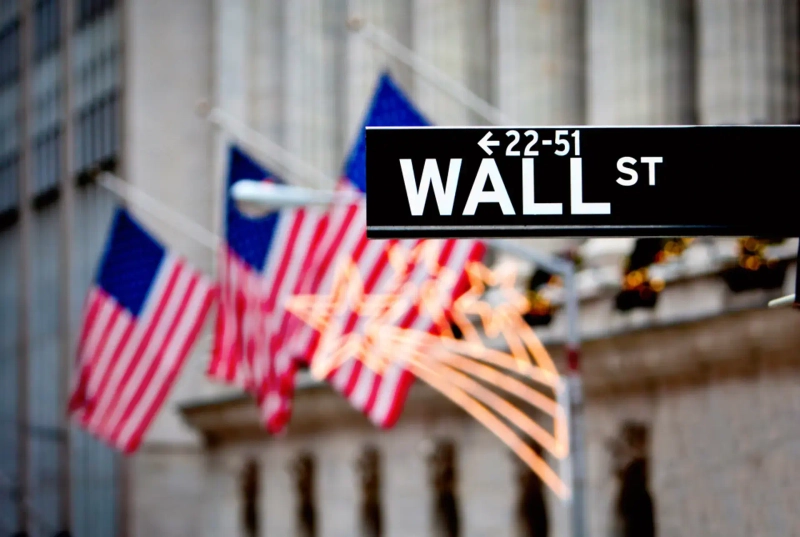
Ahead of the Federal Reserve Board's policy meeting, key economic indicators, and earnings releases from major tech giants, U.S. stocks opened slightly higher on the 28th (U.S. Eastern Time).
The S&P 500 set a new all-time high, briefly rising to 6,400 points right after the market opened, and at 10:20 a.m. EST, recorded 6,395.01 points, up 0.1%. The Nasdaq Composite also set a record high at the opening, reaching 21,202.18 points. Around 10:10 a.m., it was trading up 0.4% at the 21,192 level. The Dow Jones Industrial Average posted a 0.1% drop to 44,841 points.
The yield on the 10-year Treasury rose by 3 basis points (1bp=0.01%) to 4.41%. As the dollar strengthened, the Bloomberg Dollar Spot Index climbed 0.5%. The Japanese yen fell 0.4% to 148.29 yen per dollar, and the euro dipped 0.9% to $1.1633.
President Donald Trump, meeting in Scotland with U.K. Prime Minister Keir Starmer, announced a plan to shorten the timeline for a Russia-Ukraine ceasefire agreement, leading international oil prices to jump over 2%. The global benchmark Brent Crude rose 2.1% per barrel to $69.88, while West Texas Intermediate (WTI) also climbed 2.1% to $66.58 per barrel.
President Trump also told reporters that the baseline tariff rate for all global trading partners would be 15%~20%, which is higher than the 10% rate announced in April.
A day earlier, the United States and the European Union (EU) announced an agreement to cut tariffs by 15% on most EU exports, the EU being America's largest trading partner.
This week on Wall Street, the Federal Open Market Committee (FOMC), key employment data, and inflation indicators will all be released. The Fed is expected to keep its target policy rate range at 4.25%~4.5% at this meeting. Investors will be watching closely for hints of possible rate cuts at the September meeting.
Among the 'Magnificent 7' companies, earnings releases are scheduled for four major tech giants: Microsoft, Apple, Amazon, and Meta Platforms.
More than 150 S&P 500 companies are set to announce quarterly results, with Meta Platforms and Microsoft scheduled for Wednesday, and Amazon and Apple on Thursday—making up four Magnificent 7 tech leaders reporting earnings this week.
On Wednesday, an estimate for Q2 real Gross Domestic Product (GDP) growth will be released. According to the Dow Jones estimate, following a 0.5% decrease in Q1, the U.S. economy is expected to have grown at an annualized rate of 2.3% from April to June.
On Thursday, the June Personal Consumption Expenditures (PPE) price index— the Fed's preferred inflation gauge—will be released, drawing attention to the effects on tariffs and prices.
Several jobs-related data points will also be published. The Job Openings and Labor Turnover Survey (JOLTS) is due Tuesday; the ADP private employment report on Wednesday; new unemployment claims on Thursday; and the July U.S. nonfarm payrolls report on Friday. According to this report, July jobs are estimated to have fallen to 102,000 from 147,000 in June. The unemployment rate is expected to edge up slightly from 4.1% to 4.2%.
Jay Woods, Chief Global Strategist at Freedom Capital Markets, said, "This week is both a dream and a nightmare for traders, given how many adventures there are to choose from."
Guest reporter Jung-A Kim kja@hankyung.com

Korea Economic Daily
hankyung@bloomingbit.ioThe Korea Economic Daily Global is a digital media where latest news on Korean companies, industries, and financial markets.