

Will Brexit Turn Out to Be a 'Masterstroke'?... The 'United Kingdom' Smiling Over U.S.-EU Trade Talks
Summary
- As a result of the U.S.-EU trade negotiations, United Kingdom is expected to see increased exports to the U.S., receiving a relatively lower tariff rate.
- U.S. companies are now more likely to import United Kingdom products over EU products, and some EU manufacturers may consider relocating their production bases to the United Kingdom.
- It will take time for details of the trade agreement to be finalized, and there are concerns about negative impacts on the economies and corporate profits of each country due to increased tariffs.
The Unexpected Biggest Beneficiary of U.S.-EU Trade Negotiations: 'United Kingdom'
United Kingdom and EU Have Similar Export Items to the U.S., But United Kingdom's Tariffs Are 5%p Lower
"U.S. Companies May Increase Imports of United Kingdom Products Instead of EU"
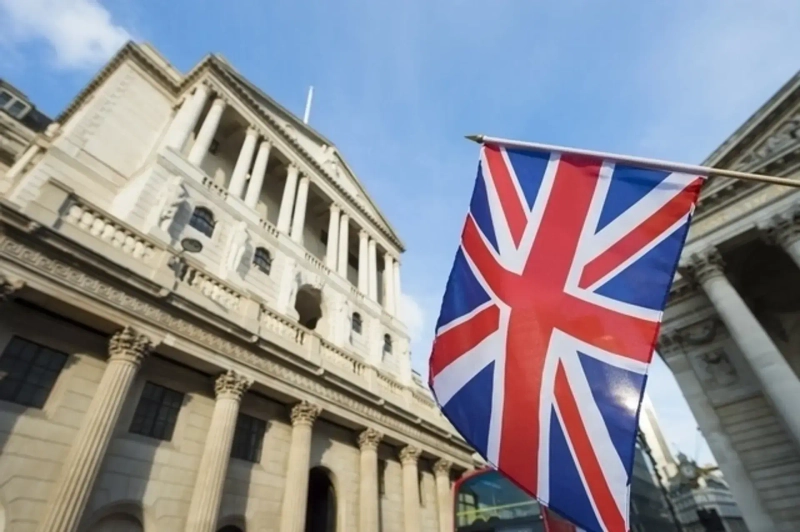
The biggest winner of the U.S.-EU trade negotiations is expected to be the United Kingdom. The United Kingdom, which was the first to sign a trade agreement with the U.S., applies a tariff rate of 10% for exports to the U.S.—lower than the 15% rate agreed by the EU.
On the 29th (local time), Philip Shaw, Chief Economist at Investec, said in an interview with CNBC, "In theory, the United Kingdom is set to benefit."
He emphasized, "The fact that the EU tariff is 15% means exports from the United Kingdom to the U.S. have been relatively cheaper," which means U.S. companies could buy goods from the United Kingdom instead of the EU, resulting in increased United Kingdom exports to the U.S.
Alex Altman, an analyst at Lubbock Fine, also said that right after the announcement of the U.S.-EU agreement, United Kingdom products with relatively lower tariffs became more affordable to U.S. consumers, making it likely they would prefer United Kingdom products over those from the EU.
He further commented, "With the United Kingdom’s tariffs on American exports relatively lower, this could provide an incentive for some EU businesses to relocate their manufacturing base to the United Kingdom or expand existing production facilities there."
Altman pointed out that EU-based manufacturers with low profit margins in particular may find it attractive to move to the United Kingdom to avoid further profit pressure. He added that, due to Brexit, the United Kingdom still has some idle manufacturing capacity after some manufacturers left. Ultimately, the biggest beneficiary of the U.S.-EU agreement would be the United Kingdom.
The benefits the United Kingdom gains are not limited to lower tariffs.
Shaw of Investec noted that the risk of recession caused by a series of retaliatory measures between the two trade blocs has decreased in case the EU and the U.S. failed to reach a trade agreement. This means the United Kingdom has avoided a situation where its two major trading partners may have entered a recession, which could have reduced United Kingdom exports as well.
Beth McCall, an international trade lawyer at Dentons, pointed out in an interview with CNBC that "even if the expected tariff difference is only 5%, the appeal of United Kingdom goods could still rise in the U.S. market." However, she said, "It will take time for U.S. importers to terminate existing contracts, seek imports from countries with lower tariffs, and for that change to become visible."
Businesses already expect tariffs to have a negative impact on profits. Economists also warn of the negative effects tariffs can have on the U.S. economy and on the economic growth of other countries. Since the details of the trade agreements have yet to be finalized, it is difficult to estimate the exact impact, and some effects may take time to be felt. For example, consumer price increases may only appear after some time has passed.
Nevertheless, whether the new tariffs are 10% or 15%, most companies around the world now pay much higher tariffs on exports to the U.S. than they did three months ago.
Jung-A Kim, Contributing Reporter kja@hankyung.com

Korea Economic Daily
hankyung@bloomingbit.ioThe Korea Economic Daily Global is a digital media where latest news on Korean companies, industries, and financial markets.