

PiCK
[New York Stock Market Briefing] Mixed results with tech stock sell-off amid 'AI bubble theory'... Intel tumbles 7%
Summary
- It was reported that the New York stock market saw continued sell-offs centered on tech stocks under the influence of the AI bubble theory.
- In particular, prices of semiconductor stocks and Intel declined sharply, but some bargain buying emerged.
- The hawkish tone in the July FOMC minutes weakened expectations for a rate cut and increased market volatility.
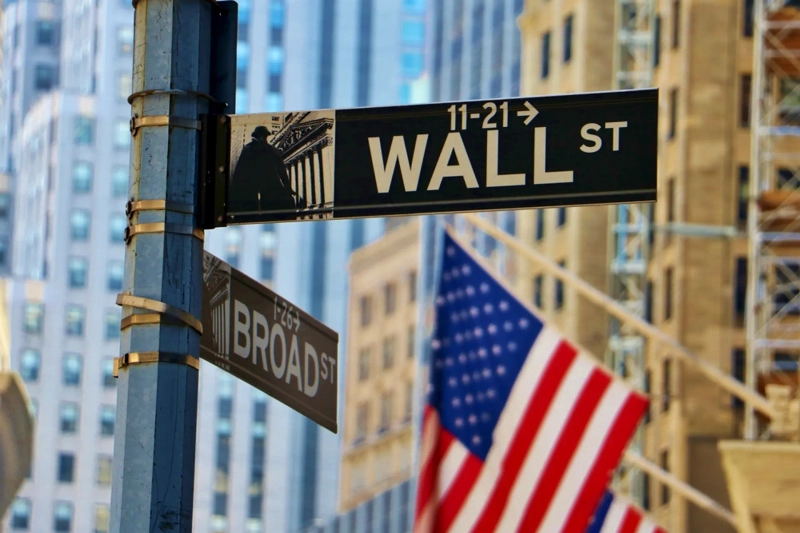
The three major indices of the New York stock market ended mixed for the third consecutive day. Tech stocks faced aggressive selling pressure amid concerns over an AI (artificial intelligence) bubble.
On the 20th (local time) at the New York Stock Exchange (NYSE), the Dow Jones Industrial Average (DJIA) closed at 44,938.31, up 16.04 points (0.04%) from the previous session. The S&P 500 Index (S&P) lost 15.59 points (0.24%) to close at 6,395.78, and the tech-heavy NASDAQ Composite Index fell 142.1 points (0.67%) to 21,172.86.
Tech stock sell-offs continued during the day. Shortly after the market opened, AI and semiconductor-related stocks came under heavy downward pressure, causing the NASDAQ to deepen its decline by as much as 1.92% intraday. The Philadelphia Semiconductor Index (SOX) was also down by as much as 3.38% during trading.
Analysts say that valuation burdens (the price-earnings ratio) and waning growth momentum for AI and semiconductor stocks—previously market leaders this year—are weighing on their prices.
In the US, a recent report from the Massachusetts Institute of Technology (MIT) made rounds, with some suggesting it contributed to downward pressure on tech stocks.
The MIT NANDA Initiative claimed in a report published this week that although companies adopted generative AI, only about 5% saw accelerated revenue growth, while the other 95% saw little benefit.
Still, after a decline of more than 3% in the NASDAQ over the past two days, bargain hunting emerged. As a result, some leading tech stocks regained part of their losses before the market closed.
All mega-cap tech firms with market capitalization over $1 trillion dropped by around 1%. NVIDIA fell by as much as 3.89% intraday but managed to finish nearly flat.
In the afternoon, the hawkish minutes from the July Federal Open Market Committee (FOMC) meeting rattled the market.
According to the minutes, only two members favored a rate cut in July, with most expressing concern over inflation. Inflation worry outweighed employment concerns among committee members.
This hawkish sentiment dampened expectations that more members would support a rate cut and pushed stock indices down again.
However, as recognition grew that declines had been excessive, bargain-buying once again flowed in, helping the NASDAQ’s downward trend end moderately.
Carol Schleif, Chief Investment Strategist at BMO Private Wealth, said, "It's not surprising that some investors are taking profits in tech stocks," adding, "Tech has gained more than 80% since early April lows, and by the end of this month, trading volume typically drops, so volatility can exceed the fundamentals."
By sector, consumer discretionary stocks dropped more than 1%, with tech, communication services, and industrials also falling. No sector posted gains over 1%.
US retailer Target lost over 6% after announcing a sharp drop in second-quarter net income. US semiconductor company Intel fell 7%. Reports suggested the US government is seeking a 10% stake in return for subsidies, and Intel was reportedly searching for additional equity investors.
According to the FedWatch Tool from the Chicago Mercantile Exchange (CME), the probability of the Fed cutting the policy rate by 0.25 percentage points in September dropped to 81.1%. The hawkish minutes further diminished hopes for a rate cut.
The Chicago Board Options Exchange (CBOE) Volatility Index (VIX) climbed 0.12 points (0.77%) to 15.69.
Reporter Go Jeong-sam, Hankyung.com jsk@hankyung.com

Korea Economic Daily
hankyung@bloomingbit.ioThe Korea Economic Daily Global is a digital media where latest news on Korean companies, industries, and financial markets.