

London silver price 53.55 dollars per ounce… breaks record high
Summary
- In London, the first-ever precious metals short squeeze drove silver to a record high of 53.55 dollars per ounce.
- The sharp rise in silver prices was triggered by short-selling investors covering losses by buying, along with a surge in demand from India and reduced supply.
- Goldman Sachs noted that the silver market's lack of liquidity leads to larger price swings, and volatility could persist depending on central bank intervention.
Precious metals see first-ever short squeeze, forcing short sellers to buy in large numbers
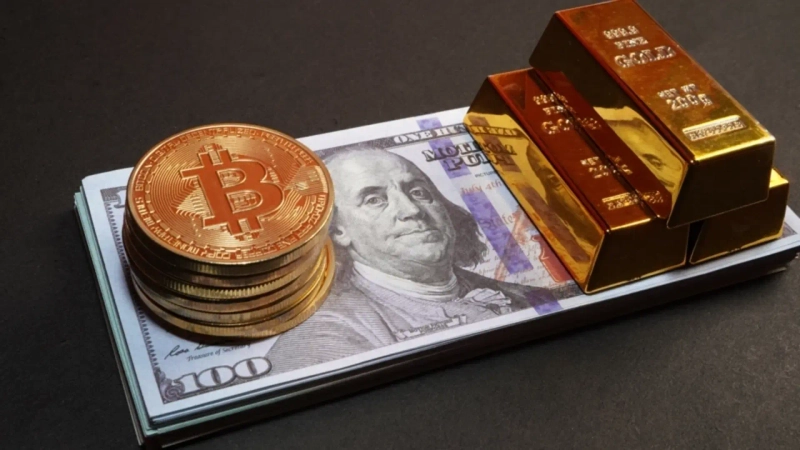
In London, the first-ever short squeeze in precious metals pushed the silver price above 53 dollars per ounce, reaching a record high. The sharp rise in silver was driven by investors who had shorted silver expecting a decline; as losses mounted with rising silver prices, they rushed to buy silver, further amplifying the gains. Gold prices are also attempting to break record highs again at 4,101 dollars per ounce.
On the 14th (local time) in the London market, spot silver rose more than 4% from the previous day to 53.55 dollars per ounce, surpassing the 1980 record of 52.50 dollars in London for the first time in 45 years. Year to date, silver has risen nearly 73%, outpacing gold's rise of about 53%.
Spot gold in London also continued an eighth straight week of gains, approaching the record 4,117 dollars per ounce at 4,101 dollars per ounce. Market unrest from a surge in investor demand spread to other precious metals, with platinum and palladium also rising more than 4%.
According to Bloomberg, as London's silver benchmark priced more than 1.40 dollars per ounce higher than New York, some traders are even transporting metal by air from the U.S. to London. This is a method typically used when gold prices diverge between London and New York.
The annual cost to borrow silver in the London market, the silver lease rate, jumped more than 30% on the 10th, putting significant pressure on investors seeking to extend short positions.
The※ lease rates for gold and palladium also fell. This suggests that earlier this year large shipments of gold to New York further reduced London gold inventories.
In recent weeks, a surge in demand from India sharply reduced the supply of silver bars available for trading in London. Earlier this year, moves to impose tariffs in the U.S. also led to large shipments of silver to New York.
In April, the U.S. government officially announced that precious metal tariffs would be exempt. However, with the unpredictable Trump administration nearing the conclusion of its Section 232 investigations into key minerals such as silver, platinum, and palladium, markets still harbor concerns about precious metal tariffs.
Analysts at Goldman Sachs Group said, "The silver market has lower liquidity and is nine times smaller in size than the gold market, resulting in greater price volatility." They warned that "if central banks do not move to stabilize silver prices, an unbalanced adjustment could occur."
This year's rise in gold prices has been supported by central bank buying, increases in holdings by exchange-traded funds (ETFs), and expectations of rate cuts by the Fed. Added to this were U.S.-China trade tensions, threats to the Fed's independence, and a U.S. government shutdown, which increased demand for alternatives to U.S. Treasuries and the dollar. Silver has risen nearly 300% since 2020.
The resumption of trade disputes between the U.S. and China is also boosting demand for safe-haven assets like gold and silver.
In New York's Comex market, silver futures surged as much as 7% to 50.59 dollars per ounce, also a record. A CME Group spokesperson, owner of Comex, said the previous high was 50.35 dollars in 1980.
Kim Jeong-a, contributing reporter kja@hankyung.com

Korea Economic Daily
hankyung@bloomingbit.ioThe Korea Economic Daily Global is a digital media where latest news on Korean companies, industries, and financial markets.