

Mexico's lower house passes 'proposal to raise tariffs by up to 35%'
Summary
- Mexico's lower house passed a bill to increase tariffs by up to 35% on imports from countries that have not signed free trade agreements (FTAs).
- The bill is expected to hit major exports from China and South Korea, including machinery, auto parts, and electronic device parts.
- If the bill is finalized through Senate review and the president's signature, changes to the export environment for South Korean companies in Mexico will be inevitable.
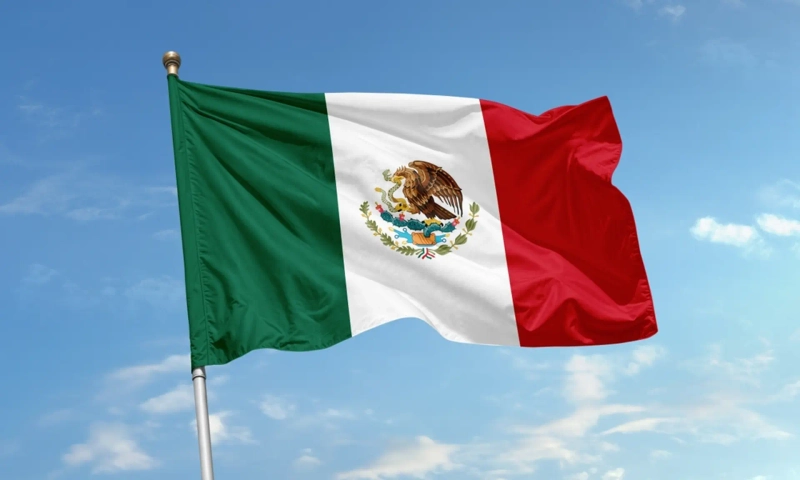
Mexico's lower house passed a bill to increase and impose tariff rates on imports from countries that have not concluded free trade agreements (FTAs), such as China and South Korea.
On the 10th (local time), Mexico's lower house announced via official social media that it approved the government's amendment to the General Import and Export Tariff Law (LIGIE), led by the dominant ruling party National Regeneration Movement (Morena·MORENA), with 281 votes in favor, 24 against, and 149 abstentions.
Earlier, the Mexican administration announced that it had selected 1,463 items across 17 strategic sectors — including automobiles and auto parts, steel and aluminum, plastics, home appliances, and textiles — and would impose differentiated maximum tariffs within the scope that does not violate World Trade Organization (WTO) rules.
However, during the committee (Economic and Trade Committee) deliberations, the lower house received various petitions from nationwide business organizations and individual companies, and then reduced some of the items subject to tariffs and somewhat eased the tariff rates to around a maximum of 35%, local dailies La Jornada and El Financiero reported.
The countries subject to the tariffs are those that have not concluded FTAs with Mexico, and China is expected to be the country most affected if the tariffs are implemented. Trade between China and Mexico has more than doubled over the past 10 years up to last year.
South Korea, which has Mexico as its largest trading partner in Latin America, is also inevitably expected to be hit. According to data from Mexico's central bank and the Ministry of Economy, South Korea has had a trade surplus with Mexico since 1993. This year as well, it is estimated to have a surplus of US$12.098 billion up to the third quarter. Major exports are machinery and auto parts and electronic device parts, with last year's export share around roughly 30%.
Mexico's push to raise tariffs is interpreted as a move to secure a bargaining tool with the Donald Trump US administration ahead of discussions related to the United States-Mexico-Canada Agreement (USMCA). From Mexico's standpoint, analysts say it has no choice but to show some distance from China, which had trade conflicts with the Trump administration.
The bill still awaits Senate deliberation and a vote. It will take effect formally once the president signs it.
Reporter Sangmi An saramin@hankyung.com

Korea Economic Daily
hankyung@bloomingbit.ioThe Korea Economic Daily Global is a digital media where latest news on Korean companies, industries, and financial markets.