Summary
- Iran’s Foreign Ministry said the Strait of Hormuz is open, but all ships and tankers must consult with Iranian authorities for transit.
- ADNOC CEO Sultan Al Jaber said conditional passage is merely control under another name and that the Strait of Hormuz must remain open without restrictions.
- IMO Secretary-General Arsenio Dominguez said Iran’s collection of transit fees in the Strait of Hormuz would set a dangerous precedent by creating a separate system that does not conform with international practice.
Forecast Trend Report by Period


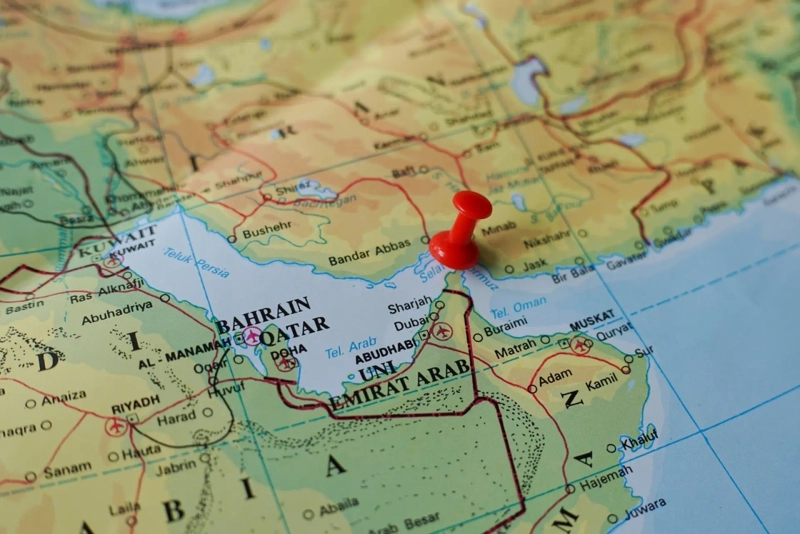
Iran said on July 9 that ships transiting the Strait of Hormuz must coordinate with its military.
Saeed Khatibzadeh, Iran’s deputy foreign minister, told ITV that the strait remains open. But all ships and tankers must hold the necessary consultations with Iranian authorities to ensure safe passage, he said.
Any vessel seeking to pass through the strait must contact Iran’s military, Khatibzadeh said. Anyone who communicates with Iranian authorities will receive permission, he added.
Sultan Al Jaber, chief executive officer of Abu Dhabi National Oil Co., the UAE’s state-owned oil company known as ADNOC, criticized the position in a social media post. “Conditional passage is not passage,” he wrote. It is simply control under another name, and the Strait of Hormuz should remain open unconditionally and without restrictions, he added.
The International Maritime Organization, the United Nations shipping agency, also said Iran’s collection of transit fees in the Strait of Hormuz would set a dangerous precedent. Secretary-General Arsenio Dominguez told Bloomberg TV that it would be unacceptable for a country to introduce a separate system that does not align with international practice. It is also unclear whether such a system would ensure ships’ safety, he said.

JOON HYOUNG LEE
gilson@bloomingbit.ioCrypto Journalist based in Seoul