PiCK
US CLARITY Act Unlikely to Advance in April; May Committee Review, Pre-July Senate Vote Are Critical
Summary
- The chances of the US CLARITY Act advancing in April have diminished, with a Senate Banking Committee review in May and a full Senate vote before July emerging as the key test for the bill's prospects.
- The main cause of the delay is the stablecoin interest payment issue, and concerns are rising that the bill's chances could weaken further if the timetable slips again.
- Crypto investment firm Galaxy said in a report that the likelihood of the bill passing by 2026 is about 50% or lower, while the industry is also preparing for further legislation including tax reform and a Bitcoin reserve policy.
Forecast Trend Report by Period


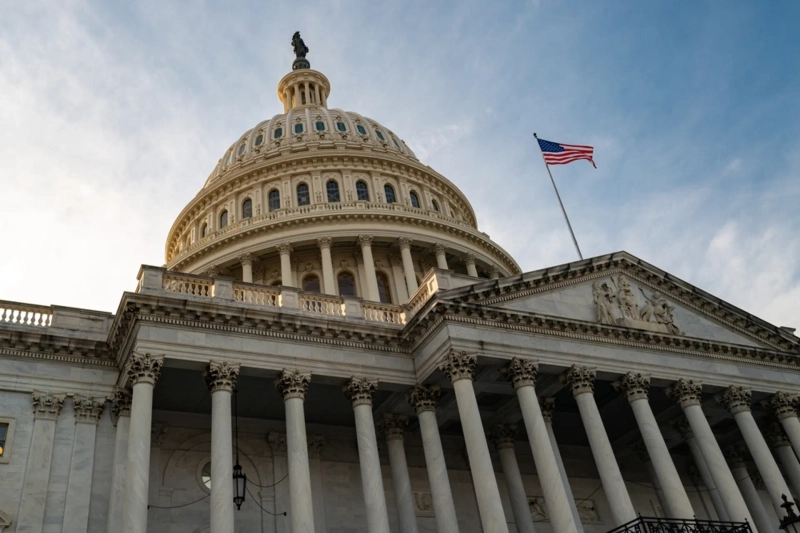
Prospects for the CLARITY Act, a US market-structure bill for digital assets, advancing in April have effectively faded.
CoinDesk reported on April 21 that industry lobbyists and a Senate staffer said the bill must clear the Senate Banking Committee in May and reach the full Senate floor before July for its legislative prospects to remain intact.
The main source of the delay is a dispute between banks and the crypto industry over stablecoin interest payments. Republican Senator Thom Tillis is continuing talks on the issue, and the process could be delayed by about two more weeks. Discussions over provisions protecting decentralized finance, or DeFi, are largely complete.
The legislative calendar poses another obstacle. After August, the Senate will effectively shift into election mode, leaving only about 12 weeks for lawmaking before the November midterm elections. That period is already packed with major issues, including Department of Homeland Security funding, the response to the war with Iran, voter identification legislation and confirmation of the Federal Reserve chair, leaving limited room for the bill to move.
Even if the measure passes the Senate Banking Committee, additional steps remain. It must be reconciled with legislation approved by the Agriculture Committee, and further revisions are planned, including Democratic demands for provisions to prevent conflicts of interest involving public officials' crypto holdings.
The bill would also need to pass the House again and ultimately be signed by President Donald Trump. Trump has previously mentioned the possibility of linking it to election-related legislation, adding another layer of uncertainty.
The measure is regarded as the second major US crypto bill after last year's GENIUS Act, which addressed stablecoins. But the unresolved issue of stablecoin rewards programs, left unsettled in the GENIUS Act, is still slowing negotiations.
The compromise under discussion would ban interest payments on products that function like deposits while allowing rewards similar to card points. Specific bill language has not been released because further negotiations are still possible.
Industry concerns are also growing that the longer the delay lasts, the lower the odds of passage. Crypto investment firm Galaxy said in a report that the probability of the bill passing by 2026 is about 50%, or lower.
Some in the industry still see a possible path during the lame-duck session after the November election. Market participants are continuing to engage with policymakers over the longer term while preparing for additional legislation, including tax changes and a Bitcoin reserve policy.

Suehyeon Lee
shlee@bloomingbit.ioI'm reporter Suehyeon Lee, your Web3 Moderator.