

PiCK
"Stablecoins, the core of the digital economy transition…reasonable regulation needed" [Eastpoint: Seoul 2025]
Summary
- The National Assembly and global industry experts emphasized that stablecoins are a key driving force in the transition to a digital economy.
- Rep. Ahn Do-geol said the stablecoin regulatory bills focus on investor protection and expanding innovation opportunities.
- Sandra Ro, GBBC CEO, mentioned the need for global regulatory coordination and reasonable regulations tailored to each country's circumstances.
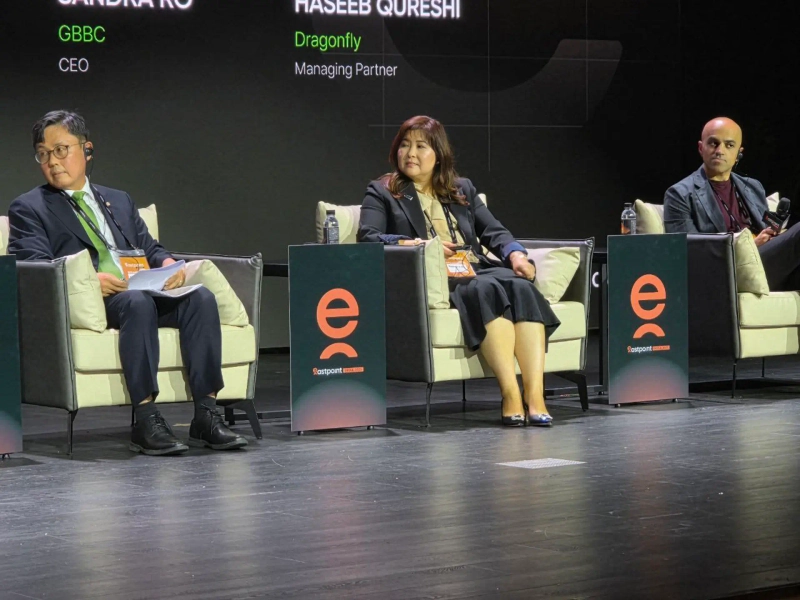
Members of the National Assembly and global industry experts gathered to discuss the importance of stablecoins and the establishment of reasonable regulations.
On the 22nd at the Grand Hyatt Seoul in Yongsan-gu, Seoul, at the global Web3 private conference 'Eastpoint: Seoul 2025 (hereinafter Eastpoint),' Rep. Ahn Do-geol of the Democratic Party of Korea said, "Our economy is rapidly transitioning to a digital economy, and the key driving force is stablecoins," adding, "I have proposed four related bills to establish stablecoin regulations, and all four bills focus on expanding innovation opportunities and protecting investors."
He also added, "Stable custody of reserve assets, ensuring issuers' financial soundness, and a regular disclosure system are necessary. To prevent illicit money laundering, smart-contract-based real-time monitoring should also be introduced."
Sandra Ro, GBBC CEO, pointed out the fragmentation of stablecoin regulation and said, "Regulations in each country remain fragmented, and coordination at the global level is needed." She advised, "Excessive regulation can hinder innovation. While benchmarking cases from other regions such as Europe's MiCA or the U.S.'s GENIUS Act., reasonable regulations suited to each country's circumstances should be established."

Suehyeon Lee
shlee@bloomingbit.ioI'm reporter Suehyeon Lee, your Web3 Moderator.