

Bank of Korea: "U.S. product tariff impact materializing…Even if negotiations conclude, adverse effect on growth"
Summary
- The Bank of Korea said it expects a significant shock to the Korean economy from the impact of U.S. tariff policy.
- It reported that the negative impact on exports is materializing, with U.S.-bound exports falling due to product-specific tariffs on steel, automobiles, and machinery.
- It said that even if tariff negotiations are concluded, tariffs would be a factor lowering the growth rate by 0.45%percentage points this year and 0.60%percentage points next year.
The Bank of Korea said it expects a significant shock to the Korean economy due to the impact of U.S. tariff policies. Although reciprocal tariffs are currently suspended, it analyzed that product-specific tariffs on steel, automobiles, and machinery are making the negative impact on exports more visible.
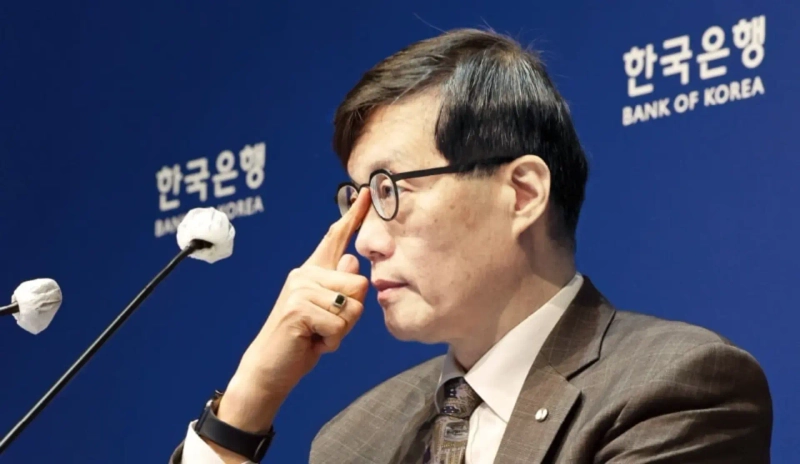
The BOK stated this in its work report at a National Assembly Planning and Finance Committee audit held at the Bank of Korea's headquarters on Namdaemun-ro in Seoul on the 20th. The BOK assessed that the domestic economy has been improving due to a recovery in consumer sentiment and export growth centered on semiconductors. It explained that inflation is also showing stability, with the consumer price inflation rate and core inflation rate fluctuating around the target level of 2%.
However, it expressed concerns about the outlook. The BOK's judgment is that exports, which have so far been showing strength, could slow as the effects of U.S. tariff imposition become fully felt. The BOK estimated that even if trade negotiations are settled according to the end-of-July tariff negotiation results — with reciprocal tariffs at 15% and automobile tariffs at around 15% — the tariffs would lower this year's growth rate by 0.45%percentage points and next year's by 0.60%percentage points.
Recently, the impact has been materializing as U.S.-bound exports have fallen sharply, centered on industries subject to product-specific tariffs such as steel, machinery, and automobiles. Steel exports began to show a slowdown from July, when the contract shipment lag disappeared after the imposition of product tariffs in March. Machinery declined sharply in August due to effects such as the expansion of steel tariff coverage. Automobiles were less affected initially as companies absorbed margin compression and froze local sale prices, but the impact has appeared in the form of export declines since July.
The BOK forecasted, "As profitability deteriorates, firms' pressure to raise prices will increase, and local production to avoid tariffs will expand, gradually widening the impact of U.S. tariff policy."
Reporter Kang Jin-gyu josep@hankyung.com

Korea Economic Daily
hankyung@bloomingbit.ioThe Korea Economic Daily Global is a digital media where latest news on Korean companies, industries, and financial markets.