

[Editorial] "Stablecoin issuance centered on banks" Bank of Korea's argument has merit
Summary
- The Bank of Korea said it proposed a banking-sector-centered consortium as the issuer, along with a cautious approach regarding the introduction of a won-denominated stablecoin.
- It warned that issuance by nonbank entities could pose significant risks, including conflicts with the principle of separation between industry and finance, conflicts of interest between industrial and financial capital, and financial market turmoil.
- It emphasized that the government and the National Assembly should simultaneously build a globally competitive ecosystem and establish risk management mechanisms.
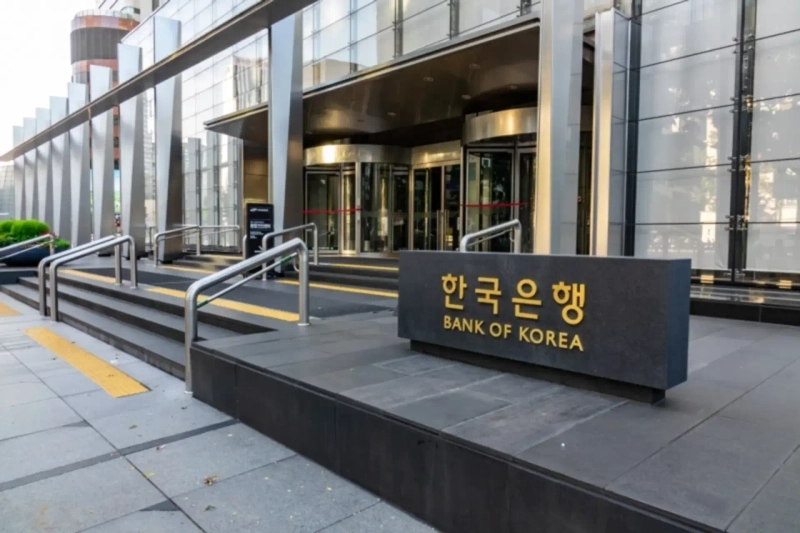
The Bank of Korea emphasized caution yesterday in its briefing to the National Assembly's Planning and Finance Committee regarding the introduction of a won-denominated stablecoin. It urged minimizing the extensive impacts and potential risks that could arise for foreign exchange regulation, the structure of the financial industry, and monetary policy. At a time when the ruling party and the government are accelerating the introduction of a won-denominated stablecoin, attention should be paid to the central bank's concerns about coin issuance based on the value of the won.
The Bank of Korea, while in principle supportive of introducing a won-denominated stablecoin, proposed that the issuer be a 'consortium centered on the banking sector.' This is a drastic measure intended to prevent nonbank entities from bypassing the current foreign exchange regulation framework centered on foreign exchange banks and abusing it as a means of cross-border fund movement. Moreover, it is hard to deny the point that allowing issuance by nonbanks could conflict with the principle of separation between industry and finance, including conflicts of interest between industrial and financial capital and prevention of concentration of economic power.
Allowing issuance first centered on highly regulated banks to check risks and then gradually expanding is a highly commonsense approach. There is also a need to hurry in forming a policy body based on agreement among relevant ministries for cross-ministerial regulatory responses involving monetary, foreign exchange, and financial authorities. The United States' stablecoin regulatory bill, the GENIUS Act, also requires the establishment of a certification review committee composed of the Treasury, the central bank (the Fed), and the Federal Deposit Insurance Corporation.
China's shift in stablecoin policy stance is also noteworthy. Although it enacted regulations related to stablecoins in August, it was recently reported that the People's Bank of China and others have put the brakes on coin issuance by major big techs such as Alibaba. This is evidence that concerns are growing that stablecoins could undermine the stability of the financial and foreign exchange systems. In fact, earlier this month, amid a sharp rise in the won–dollar exchange rate, an abnormal surge occurred on domestic exchanges on the 11th when the dollar stablecoin Tether (USDT) traded at more than four times the exchange rate.
Proliferation of stablecoins, price distortions, and intensified speculation could ultimately cause financial market turmoil and harm users and financial stability. Discussions by the ruling party and the government on the introduction of a won-denominated stablecoin should proceed in a direction that not only builds a globally competitive ecosystem but also adequately establishes risk management mechanisms.

Korea Economic Daily
hankyung@bloomingbit.ioThe Korea Economic Daily Global is a digital media where latest news on Korean companies, industries, and financial markets.