

Stablecoins gain prominence as a remittance tool in the Gulf region
Summary
- Forbes reported that stablecoins are attracting attention as a remittance tool in the Gulf region.
- The outlet said stablecoins are noted as an alternative to solve high fees and slow settlement speeds.
- It said countries in the Gulf region are quickly establishing virtual asset regulations and standards for issuing stablecoins.
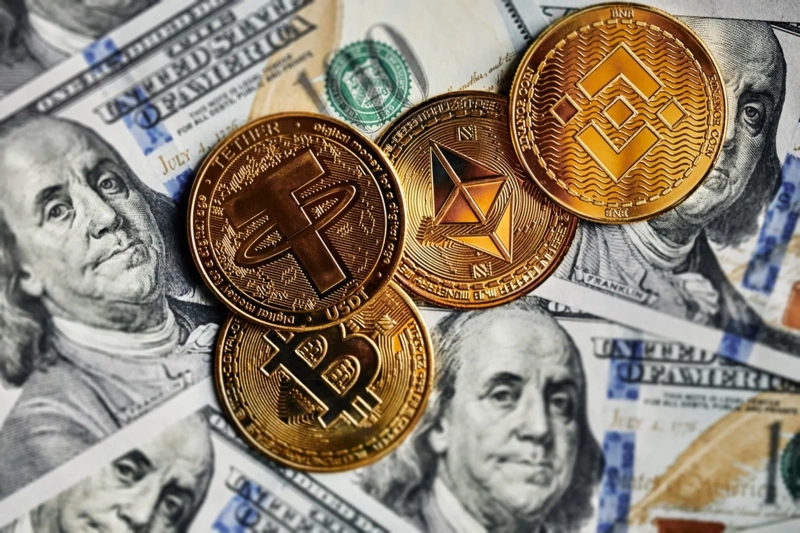
Stablecoins (virtual assets whose value is linked to fiat currencies) are becoming a practical financial infrastructure.
On the 27th (Korean time), Forbes reported that many migrant workers in the Gulf region are adopting stablecoins as a means of remittance. According to the Gulf Cooperation Council (GCC) Statistics Center, remittances by foreign workers in the Gulf region amounted to 131.5 billion dollars as of the end of 2023, the largest in the world.
The outlet said, "Stablecoins are being noted as an alternative that can solve high fees and slow settlement speeds." It emphasized that, in particular, on-chain payment structures can increase transaction traceability and speed, reduce intermediary steps, and lower costs.
In the Gulf region, regulations related to virtual assets (cryptocurrencies) are also being established rapidly. The Virtual Assets Regulatory Authority (VARA) in Dubai, United Arab Emirates (UAE), has set clear guidelines, and the Central Bank of Bahrain (CBB) has introduced issuance standards for local currency-pegged stablecoins. Saudi Arabia is pushing forward a central bank digital currency (CBDC) project called 'ABER'.

Uk Jin
wook9629@bloomingbit.ioH3LLO, World! I am Uk Jin.